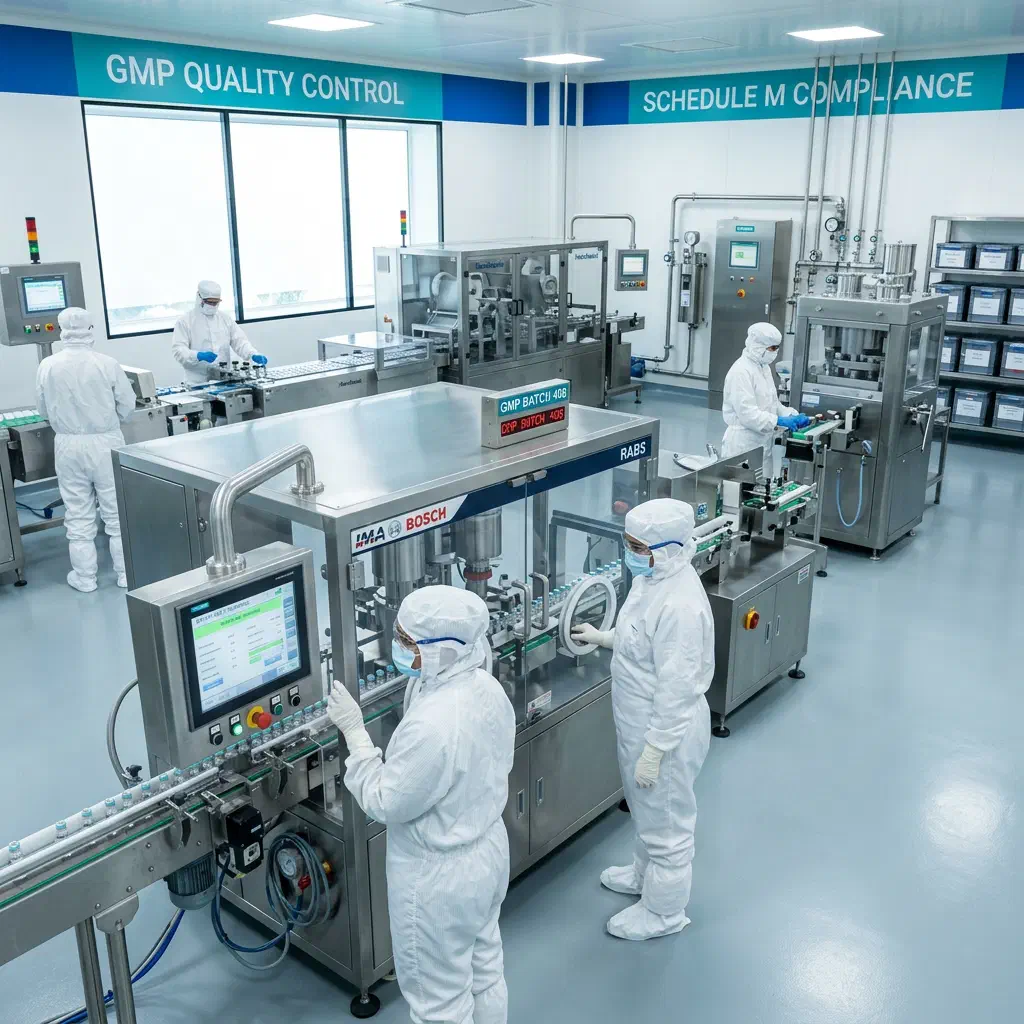
CDSCO periodically directs action against drug products being manufactured or marketed without proper approval under the Drugs & Cosmetics Act. These actions — covering individual molecules, combination products, and specific dosage forms — are not isolated events. They’re a recurring feature of India’s pharmaceutical regulatory environment, and the direction of enforcement has been consistently toward stricter, not looser, oversight.
For a pharma brand owner, each enforcement cycle carries the same practical lesson: the composition check should happen before the artwork brief, before the tube order, before the manufacturing contract — not after a CDSCO directive arrives.
This article explains what makes a composition unapproved, how to check before you invest, and what the process looks like for brands who do this correctly.
This article provides general regulatory context for educational purposes. It is not legal advice. Always verify current approval status with a qualified regulatory professional or CDSCO directly before making product decisions.
What “Unapproved” Actually Means Under Indian Law
The Drugs & Cosmetics Act, 1940 and the New Drugs and Clinical Trials Rules, 2019 define specific categories of products that require CDSCO marketing approval before they can be legally manufactured and sold in India.
A product can be unapproved for several distinct reasons:
1. The molecule is a “new drug”
Under the NDCT Rules, 2019, a new drug includes any drug not previously approved by CDSCO for marketing in India, a drug approved for fewer than 4 years in India, or a new indication, route, or dosage form for an existing approved drug. New drugs require CDSCO marketing approval (an NDA equivalent) before any manufacturer can produce them.
2. The Fixed-Dose Combination is not approved
Even if both individual molecules in a combination are approved and pharmacopoeially recognised, their specific combination in a specific ratio may require separate FDC approval from CDSCO. This is where most brand owners encounter problems — a combination that “everyone is selling” may in fact be legally grey or actively under regulatory review.
3. The dosage form is not covered
A molecule with an IP tablet monograph doesn’t automatically have a liquid suspension or nasal spray approval — the dosage form must be separately covered either by a pharmacopoeial monograph or a specific CDSCO approval.
The Composition Check: What to Do Before Artwork
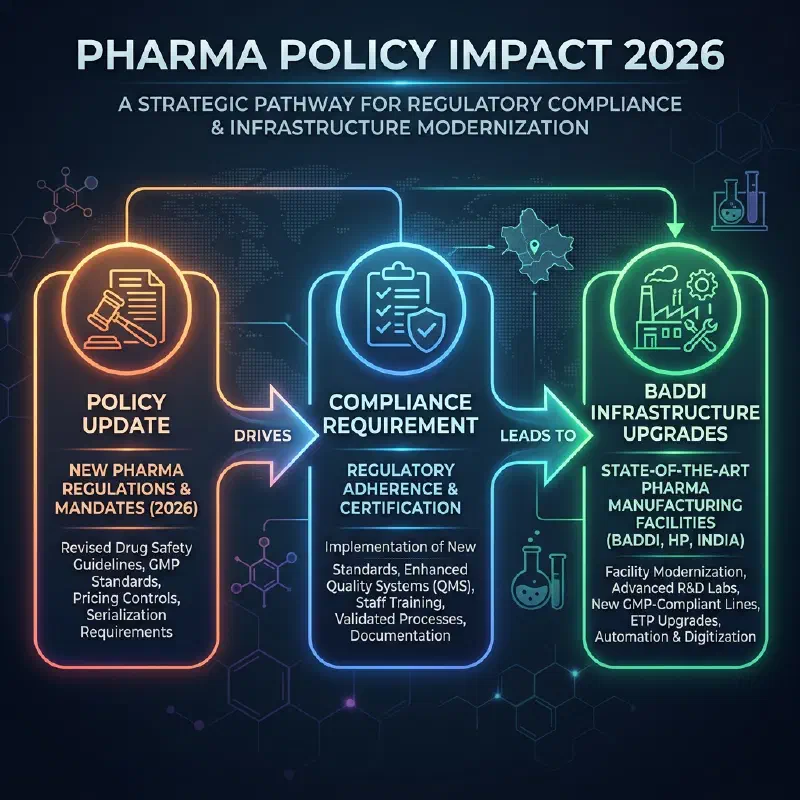
The composition approval check is a defined process, not a vague “regulatory question.” Here is the practical sequence:
Step 1: Single-Molecule Check
For single-molecule products, confirm:
- Does an IP (Indian Pharmacopoeia), BP, or USP monograph exist for the molecule in the intended dosage form (tablet, suspension, injection)?
- Is the molecule on India’s list of banned or restricted substances?
- Was the molecule approved in India within the last 4 years — making it a “new drug” still under its initial approval term?
If the molecule has an IP monograph in the correct dosage form and was first approved more than 4 years ago in India, it is generally not a “new drug” and does not require fresh CDSCO marketing approval for standard use.
Step 2: FDC Combination Check
For any combination product, check:
- CDSCO’s published list of approved FDCs (updated periodically on the CDSCO portal)
- Whether the specific molecule ratio matches an approved combination — a different ratio can require separate approval even for the same molecules
- Whether the combination is on CDSCO’s list of banned or restricted FDCs
This is the step where a regulatory professional’s time is most valuable — the FDC approval lists are extensive, require cross-referencing, and have been subject to ongoing amendment.
Step 3: Dosage Form Confirmation
Confirm that the intended dosage form is covered by the approval or monograph:
- A tablet monograph does not cover a suspension of the same molecule
- An oral solution is different from a nasal solution under regulatory classification
- Extended-release and modified-release formulations are separate regulatory categories
Step 4: Current Status Check
Even after finding an approval, verify its current status:
- Has the combination been notified as banned under a subsequent CDSCO order?
- Has the manufacturing category changed under a recent Schedule M or licensing amendment?
- Are there any pending review orders or regulatory alerts on the composition?
The Composition Check in Your Launch Timeline
Here is where the composition check belongs in a product launch sequence:
CORRECT SEQUENCE — COMPOSITION CHECK FIRST

Step 1: Product idea / market research
Step 2: ✅ COMPOSITION APPROVAL CHECK ← here, before everything else
Step 3: Manufacturer feasibility discussion
Step 4: Quote and MOQ negotiation
Step 5: Contract execution
Step 6: Artwork brief and design
Step 7: Artwork approval
Step 8: Manufacturing and QC
Step 9: Dispatch
RISKY SEQUENCE — COMPOSITION CHECK LATE

Step 1: Product idea
Step 2: Artwork brief and tube/carton order
Step 3: Manufacturing contract
Step 4: Production
Step 5: ❌ CDSCO directive received
Step 6: Emergency stock withdrawal, write-off, and regulatory action
The difference between these sequences is a regulatory check that takes days. The downstream cost difference can be in lakhs.
How Saar Biotech’s Regulatory Team Can Help
When a brand owner brings a new composition enquiry to Saar Biotech, our regulatory affairs team performs an initial composition viability check as part of the product feasibility review — looking at the molecule’s pharmacopoeial status, any known FDC approval requirements, and whether the intended dosage form is covered. We will flag compositions that appear to require CDSCO approval or fall into known FDC regulatory review categories before any commercial discussion proceeds.
This is a service we provide because an informed partner is a better long-term partner — and because beginning a manufacturing contract on a composition that later attracts regulatory action harms both sides.
That said, our initial check supplements but does not replace a full regulatory opinion from a qualified professional for complex or novel combinations. We’ll tell you directly when we think you need one.
Further reading:
- Complete Third-Party Manufacturing Guide — regulatory fundamentals for new brands
- Revised Schedule M Compliance Guide — current GMP requirements
- What is the Indian Pharmacopoeia? — pharmacopoeial status explained
- How to Choose a Pharma Manufacturer — due diligence before signing
- All Product Categories — browse approved formulations
Conclusion
CDSCO enforcement actions on unapproved drug products are a recurring reality, not a once-in-a-generation event. The pattern is consistent: enforcement tightens, not loosens, over time; combinations that were once tolerated get retrospectively reviewed; and the consequences for brand owners who get caught — stock withdrawal, license risk, reputational damage — are disproportionate to the cost of the composition check they didn’t do.
The composition check takes days and costs very little relative to a product launch. Run it before the artwork. Run it before the tube order. Run it before the manufacturing contract.
Ready to start a product launch with proper regulatory grounding?