In both institutional hospital infection control and daily clinical dentistry, Chlorhexidine Gluconate (CHG) remains the undisputed gold-standard chemical antiseptic. First synthesized in the 1950s, no other topical antimicrobial molecule has matched chlorhexidine’s unique combination of rapid broad-spectrum bactericidal action and prolonged antimicrobial substantivity.
Whether formulated as a 0.2% w/v periodontal dental rinse for managing gingivitis or a 5.0% w/v concentrated hospital antiseptic disinfectant, chlorhexidine represents a foundational revenue pillar for pharmaceutical marketing brands, dental PCD franchises, and institutional government suppliers.
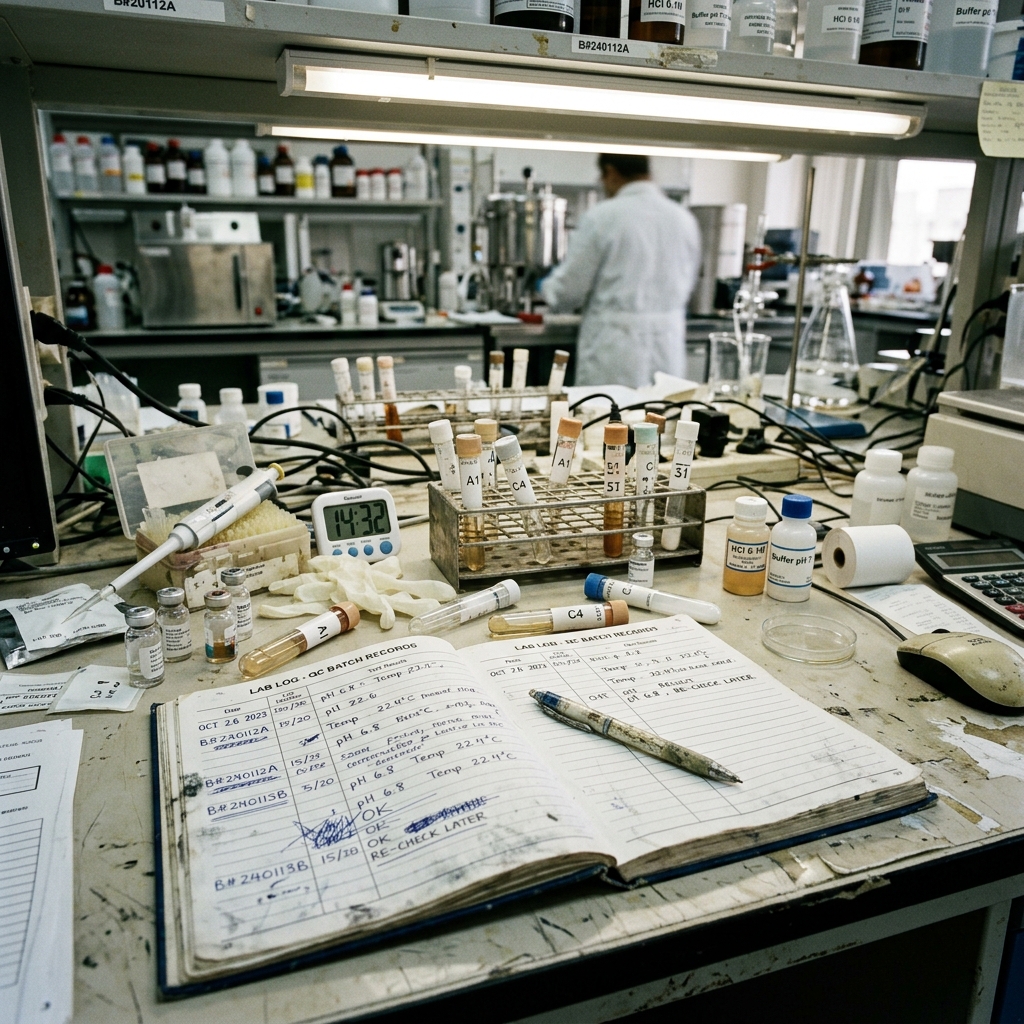

1. Cationic Substantivity & Antimicrobial Mechanism
Unlike alcohol or hydrogen peroxide which evaporate or degrade rapidly upon contact, chlorhexidine remains active on biological surfaces for up to 12 to 24 hours:
Chlorhexidine Substantivity & Bactericidal Cascade:
[Cationic Chlorhexidine Molecule (+)] ──► [Binds Negatively Charged Enamel / Pellicle (-)]
                                                           │
                                                           ▼
[Creates Persistent Reservoir on Mucosa] ──► [Continuous Slow Release of Active Ions]
                                                           │
                                                           ▼
[Attacks Inflowing Bacterial Pathogens]  ──► [Disrupts Membrane Permeability & Kills Plaque]
- Broad-Spectrum Efficacy: Potent against Gram-positive vegetative bacteria, Gram-negative pathogens, facultative anaerobes (P. gingivalis, S. mutans), and fungal species like Candida albicans.
- Plaque Inhibition: Binds to salivary glycoproteins, preventing them from adhering to teeth to form dental plaque matrix.
- Non-Absorbable Safety: Very low systemic oral bioavailability (< 1%), ensuring that accidental swallowing poses negligible systemic toxicity.
2. Incompatible Excipients & Formulation Chemistry
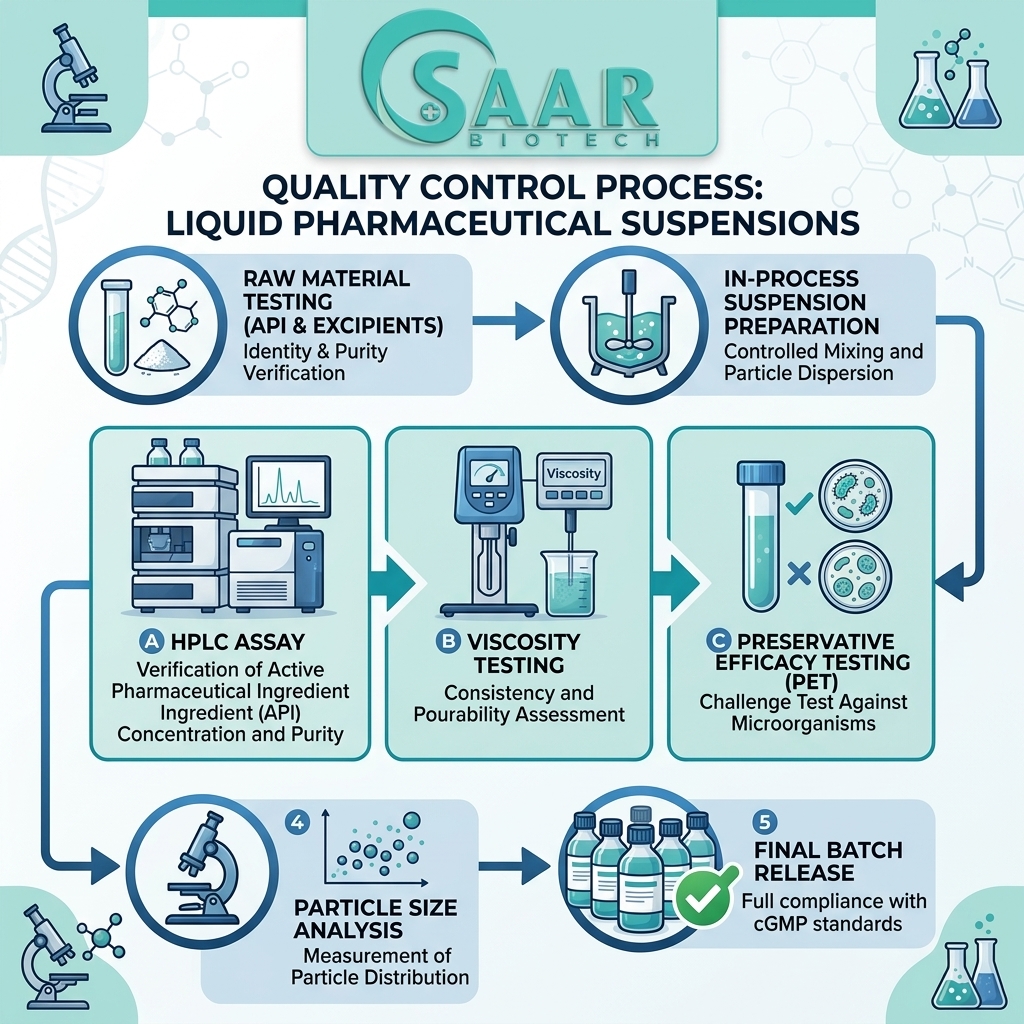
Formulating a stable, clear, and effective chlorhexidine solution requires exceptional chemical precision. As a strongly cationic molecule, chlorhexidine is sensitive to common pharmaceutical excipients:
| Incompatible Anionic Agents | Chemical Impact | Formulator Precaution |
|---|---|---|
| Sodium Lauryl Sulfate (SLS) | Forms insoluble salt precipitate | Strictly excluded from oral rinse formulas |
| Carboxymethylcellulose (CMC) | Viscosity loss & active neutralization | Use non-ionic hydroxyethylcellulose (HEC) |
| Hard Water / Inorganic Chlorides | Salt precipitation | Purified demineralized water (USP grade) required |
| Direct Light Exposure | Hydrolysis to para-chloroaniline | Amber PET or opaque HDPE packaging mandatory |
At Saar Biotech, every chlorhexidine compounding batch uses USP-grade double-pass reverse osmosis (RO) and deionized water with real-time conductivity monitoring ($< 1.1,\mu\text{S/cm}$) to eliminate trace minerals that could cloud the solution.
3. Commercial Product Lines & Dosage Presentations
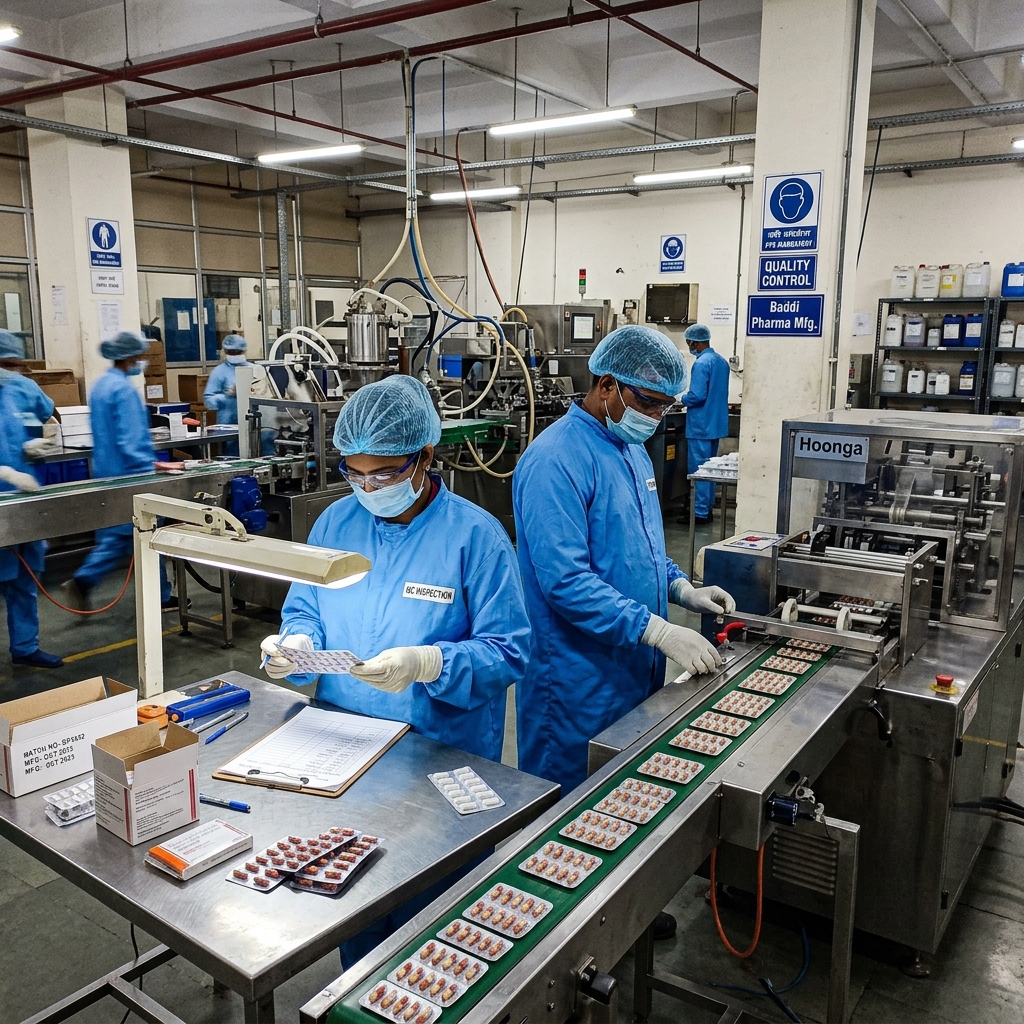
We manufacture multiple commercial grades tailored for specific market segments:
A. Dental & Oral Healthcare Grade
- Chlorhexidine Gluconate 0.2% w/v Oral Rinse: Available in 100ml, 150ml, and 200ml amber PET bottles with measuring cup. Flavored with non-sugar cooling mint, peppermint, or bubblegum.
- Indications: Post-surgical dental procedures, gingivitis, aphthous ulcers, subgingival irrigation, and pre-procedural bacterial aerosol reduction.
B. Hospital & Institutional Surgical Grade
- Chlorhexidine 5.0% w/v Antiseptic Solution: Concentrated institutional presentation in 500ml, 1-liter, and 5-liter HDPE containers.
- Cetrimide + Chlorhexidine Disinfectant: Combined biguanide and quaternary ammonium formulation for surgical instrument cleansing and emergency wound debridement.
4. Analytical Release Protocols & Antimicrobial Validation
Every production batch released from Saar Biotech’s Baddi plant is verified against pharmacopoeial monographs:
- Assay of Chlorhexidine Gluconate: Reverse-phase HPLC assay confirming 95.0% to 105.0% label claim.
- pH Evaluation: Maintained strictly between 5.5 and 7.0 for optimal chemical stability and mucosal comfort.
- Related Substances (para-chloroaniline): Monitored via UV detection below statutory limits ($< 0.25%$).
- Kill-Time In-Vitro Challenge: Demonstrating $> 99.99%$ kill within 30 seconds against S. aureus and E. coli.
To learn more about related topical and external formulations, explore: Chlorhexidine Gluconate Solution and Potassium Nitrate + Sodium Fluoride Medicated Dental Gel.
For third-party manufacturing quotes, institutional hospital supply tenders, or dental brand creation for Chlorhexidine products, reach out to our regulatory desk at quotation@saarbiotech.com or submit your brief via the B2B Project Planner.