
Dermatology is where the pharma brand-building logic works most cleanly. A dermatologist who prescribes your anti-fungal cream in January and gets a good outcome is writing it again in March — for the next patient, the next recurrence, the next chronic condition. The prescribing relationship doesn’t reset between episodes. It compounds.
This is different from the acute medicine model — where a good antibiotic works, the infection resolves, and the physician moves to the next product for the next patient without particular brand loyalty. In dermatology, chronic conditions create chronic prescriptions, and physician trust in your product’s consistency is built over months and years.
For a third-party pharma brand, this repeat dynamic makes dermatology one of the highest-return categories to invest in at launch — and one of the most durable once established.
For detailed product profiles:
Top Dermatology Products for Third-Party Manufacturing · Diclofenac Gel, Spray & Roll-On — Which Format to Launch · Ointments, Gels & Topical Manufacturing Guide
Why Dermatology Works Commercially in India
Several structural factors combine to make the Indian dermatology market attractive for a pharma marketing company at almost any scale:
1. Climate-driven endemic demand. India’s warm, humid climate — across most of the country for most of the year — creates endemic tinea and candidal skin infection. These are not occasional seasonal complaints; they are year-round, recurring conditions with a very large patient population.
2. Underserved dermatologist access in Tier 2 and 3 markets. India has a significant dermatologist shortage relative to its skin condition burden. This means general physicians and GPs write a substantial portion of dermatological prescriptions — particularly for anti-fungals and corticosteroid combinations. A brand with strong GP coverage doesn’t need exclusive dermatologist relationships to build substantial derma prescription volume.
3. Prescription-to-OTC crossover. Once a physician-prescribed anti-fungal cream earns a patient’s trust, the same patient buys it OTC at the next recurrence without returning to the physician. This creates a retail revenue stream from prescriber-established trust.
4. Premium price tolerance. Dermatology patients — particularly in urban and semi-urban India — show willingness to pay for trusted, consistently available, well-packaged products. A 15g tube of Luliconazole cream can command a premium over a commodity clotrimazole product, and physician-endorsed brands with clean packaging hold price against generics better than most pharma categories.

The Three Derma Product Segments
Segment 1: Anti-Fungal (Volume Anchor)
The anti-fungal category is the volume foundation of every successful derma portfolio. Tinea corporis, tinea pedis, tinea cruris, and candidal skin infections together represent the majority of prescriptions written in dermatological outpatient practice.
First-product selection logic:
- Clotrimazole 1% cream — the broadest prescriber familiarity, lowest prescription barrier; ideal for GP-oriented distribution
- Miconazole 2% cream — established prescription base; slightly broader antifungal spectrum vs Clotrimazole
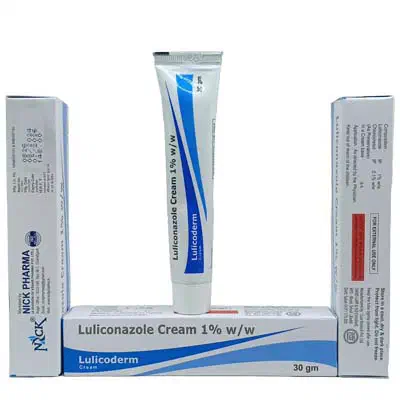
- Luliconazole 1% cream/lotion — premium positioning; newer mechanism, once-daily dosing advantage vs older anti-fungals; higher MRP tolerance; best suited for dermatologist-oriented distribution
Segment 2: Corticosteroid Combinations (Value Driver)
Corticosteroid-antifungal-antibacterial combination creams (Clobetasol + Neomycin + Clotrimazole, Clobetasol + Salicylic Acid) are the highest-value products in Indian derma prescription practice — physician-controlled prescribing, higher MRP, and a loyal physician base who writes specific combinations they trust.
Segment 3: Soothing and Moisturising Preparations (Repeat Builder)
Calamine lotion, Calamine + Allantoin + Vitamin E lotion, and similar soothing preparations serve a different prescribing occasion — post-inflammation healing, dry skin management, hypersensitivity reactions — and are prescribed at the dermatologist follow-up when the acute treatment phase is complete. These products build brand familiarity because they’re used for longer periods than the primary treatment product.
The Derma Launch Basket
For a first-year derma portfolio, a three-product basket covers the critical prescribing occasions without spreading capital too thin:
DERMA LAUNCH BASKET (YEAR 1)

Product 1: Luliconazole 1% Cream (15g tube)
  → Anti-fungal anchor, premium positioning
  → Prescriber: Dermatologist, GP
  → MOQ: 5,000 tubes

Product 2: Clobetasol 0.05% + Salicylic Acid 6% Ointment (15g tube)
  → Corticosteroid combination, psoriasis/eczema prescribing
  → Prescriber: Dermatologist (prescription-only; Schedule H)
  → MOQ: 5,000 tubes

Product 3: Calamine + Allantoin + Vitamin E Lotion (50ml)
  → Soothing/healing; follow-up prescription; possible OTC
  → Prescriber: Dermatologist, GP, Gynaecologist
  → MOQ: 5,000 bottles

[Second year extension: Anti-fungal lotion, Antibacterial ointment, Pain gel]
Pain Topicals: The Adjacent Category
Pain relief topicals — Diclofenac gel, spray, and roll-on — are technically not dermatology products, but they sit in the same physician relationship (GP, orthopaedic) and the same pharmacy shelf proximity. For a brand with a derma-topical distribution presence, adding Diclofenac roll-on as a pain segment extension requires almost no additional channel investment.
Conclusion
Dermatology rewards the brand that invests in physician education and product consistency. It doesn’t reward the brand that launches 10 SKUs and samples every dermatologist once. Three well-chosen products, sampled consistently across a focused physician list, build the repeat prescription relationships that generate compounding revenue year over year.
Launch the basket. Focus the physician relationships. Maintain availability. The compounding begins in year two.