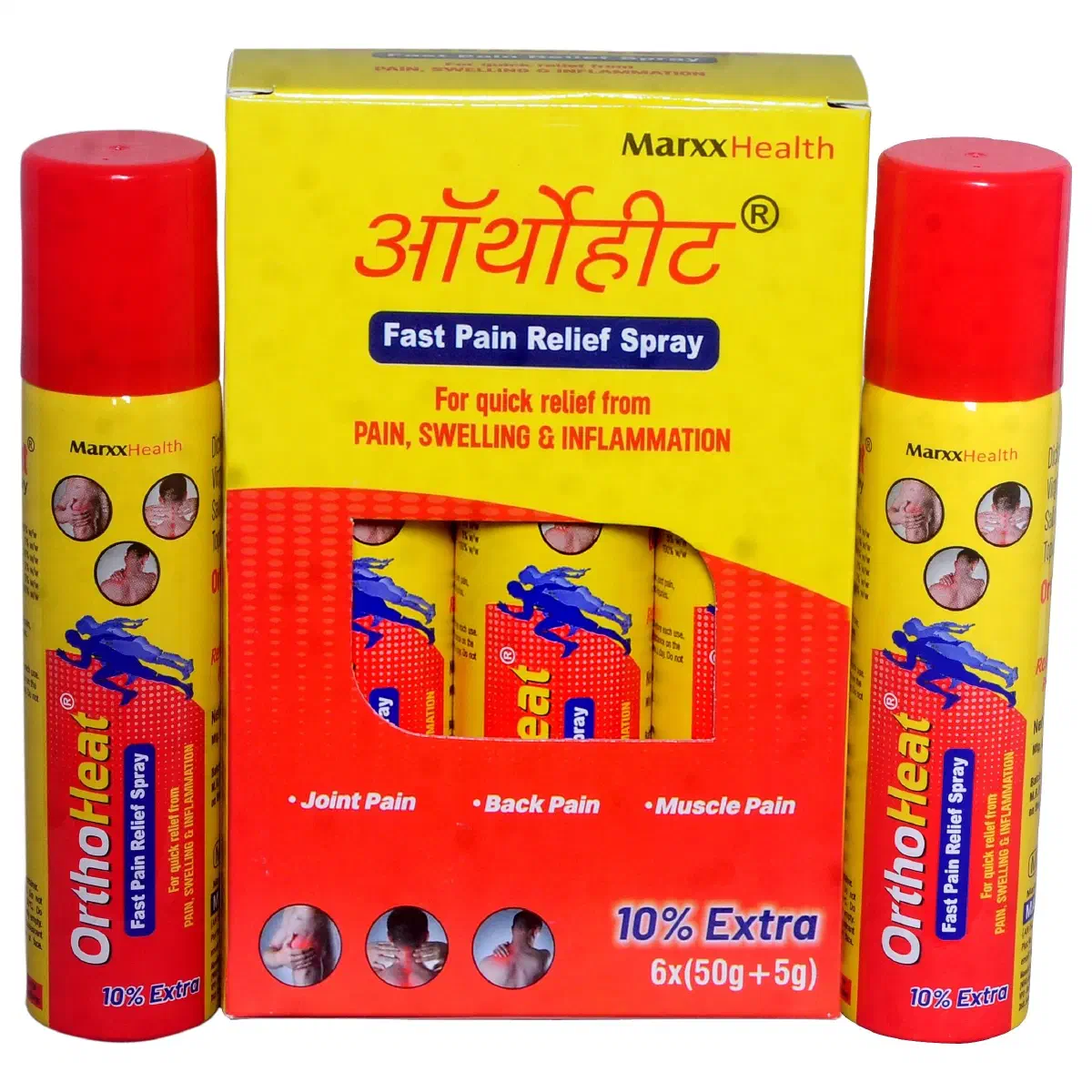
Diclofenac is one of the most prescribed topical analgesics in India — across orthopaedics, general practice, physiotherapy, and sports medicine. Three distinct delivery formats compete in the same patient-need space: gel, spray, and roll-on. Each has a legitimate market, a distinct patient experience, and a different manufacturing and commercial profile.
For a brand entering the topical pain segment, the question isn’t which format is “best” — it’s which format makes the most sense for your first launch, your target physician, and your distribution model.
For the fundamentals of topical semi-solid manufacturing — base selection, microbial testing, tube economics, and MOQ drivers — read our Topical Manufacturing Guide first.
See all available Diclofenac products: Diclofenac Combination Gel · Diclofenac Spray · Diclofenac Roll-On · Diclofenac + Capsaicin Gel

The Three Formats: A Comparison
| Feature | Gel | Spray | Roll-On |
|---|---|---|---|
| Primary application method | Rub in by hand | Pump-spray, no hand contact | Roll-on applicator ball |
| Best for | Joints, localised pain, large area coverage | Back, shoulder, neck — hard to reach | Athletes, gym use; convenience purchase |
| Physician prescription driver | High — most familiar, most prescribed | Moderate — second-line for reach + convenience | Low — largely retail/OTC purchase |
| Price per unit | Lowest | Moderate premium | Moderate premium |
| Manufacturing complexity | Moderate (semi-solid) | Low-moderate (liquid fill) | Moderate (liquid fill + roll-on mechanism) |
| Tube/bottle cost | LDPE laminate tube — standard | Spray bottle + pump actuator | Roll-on bottle + ball mechanism |
| MOQ driver | Tube procurement | Pump actuator sourcing | Roll-on mechanism sourcing |
Format 1: Gel — Why It Comes First
For a brand owner entering the topical pain segment, the gel format wins on three dimensions simultaneously:
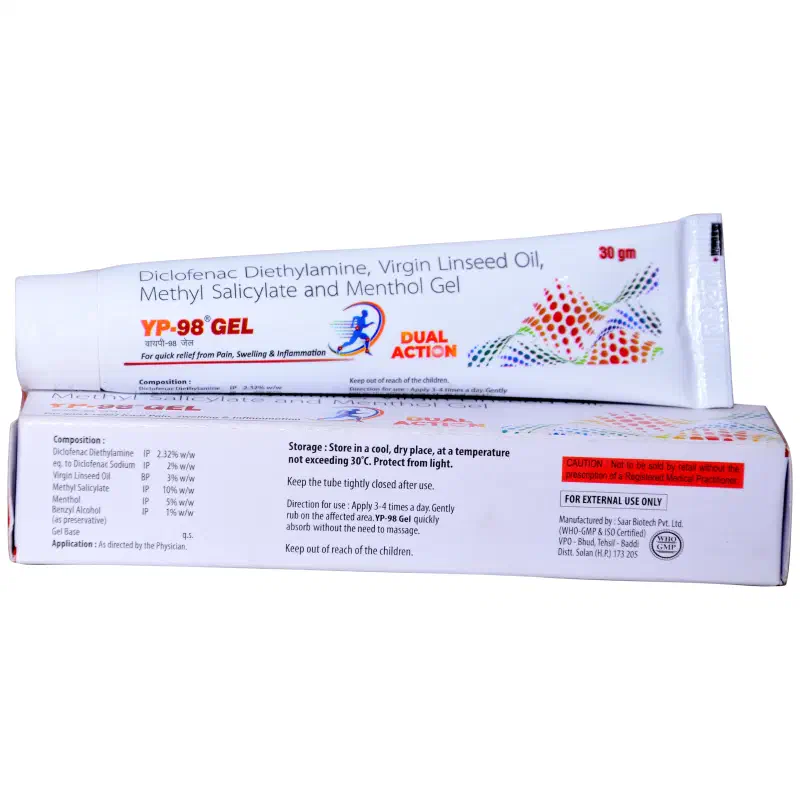
1. Physician familiarity is highest. Diclofenac gel — particularly the Diclofenac Diethylamine + Methyl Salicylate + Linseed Oil + Menthol combination — is the format physicians have been writing for decades. Building a prescription relationship around a gel formulation puts you in the prescribing context physicians already understand.
2. Retail shelf presence is easiest to establish. Pharmacies stock topical pain gels prominently because they turn fast, have good margin, and customers ask for them by category. A new brand in gel format fits into an established retail slot.
3. Manufacturing is most straightforward. The Diclofenac Diethylamine combination gel has the most validated, stable manufacturing process across Indian CMOs — validated formulations, established stability data, and well-understood in-process controls make first-batch quality more predictable.
The Diclofenac combination gel portfolio available from Saar Biotech covers the key combination variants:
Format 2: Spray — The Strongest Second SKU
Diclofenac spray adds a specific value that gel genuinely cannot provide: contactless application to hard-to-reach areas. A patient with acute back pain can spray between the shoulder blades without assistance. A patient who doesn’t want medicated gel on their hands throughout the day can spray the knee and continue working.
This isn’t a minor convenience feature — it’s a patient behaviour insight that experienced prescribers use to determine format recommendation. An orthopaedic physician prescribing for a software engineer with wrist pain may prefer spray (no residue on hands) over gel. The same physician prescribing for a construction worker with knee pain may prefer gel (cost efficiency, larger volume per application).
Positioning the spray correctly: The spray should be positioned as a premium, convenience-differentiated extension of your pain brand — not as a replacement for gel. Brands that have both a gel and a spray in the same product family leverage physician switching between formats based on patient context, which ultimately deepens the physician relationship.
Format 3: Roll-On — A Retail Product, Not a Prescription Anchor
The roll-on format occupies a different channel from gel and spray. Its primary market is:
- Athletic and sports-related purchase — gyms, sports medicine, physiotherapy centres
- Pharmacy over-the-counter purchase — patients self-selecting for perceived convenience
- Brand extension — an established topical pain brand adding a roll-on as a range extension
For a new brand entering the segment, the roll-on is unlikely to be the prescription anchor product. Physicians who recommend it do so for specific patient types (athletes, patients with application preference) rather than as their default choice. The roll-on is a stronger second or third SKU in a portfolio than a first-launch product.
The Decision Table: Which Format for Which Brand?
| Brand Profile | Recommended Launch Format | Rationale |
|---|---|---|
| New brand, building physician relationships | Gel first, then Spray (6–12 months later) | Gel is where physician prescription familiarity and pharmacy stock expectations converge |
| Established brand, adding a premium SKU | Spray | Adds patient value without cannibalising gel prescriptions; premium pricing justified |
| Sports/fitness channel focus | Roll-on first | Matches channel purchase behaviour; pharmacist and sports medicine recommendation drives it |
| Launching a complete pain portfolio | Gel + Spray simultaneously | Portfolio launch lets physician choose format per patient; de-risks single-format dependence |
Combination Options and Their Prescribing Context
The active combination in a Diclofenac product defines its clinical positioning as much as the format does:
| Combination | Added Active | Clinical Advantage | Typical Prescribing Setting |
|---|---|---|---|
| Diclofenac DE + Methyl Salicylate + Linseed Oil + Menthol | Multiple actives | Broad multi-mechanism pain relief, counter-irritant effect | Most common GP and orthopaedic combination |
| Diclofenac DE + Methyl Salicylate (Spray) | Methyl Salicylate | Counter-irritant in convenient spray format | Acute musculoskeletal, sport injury |
| Diclofenac + Capsaicin | Capsaicin | Thermal counter-irritant; chronic pain component | Chronic arthritis, neuropathic pain overlay |
| Diclofenac + Thiocolchicoside | Muscle relaxant | Anti-inflammatory + skeletal muscle relaxation | Acute back pain with spasm component |
Conclusion
Diclofenac topical manufacturing offers three commercially viable entry points — but they’re not equivalent for a first launch. Gel gives you the most established prescribing context, the most market familiarity, and the most predictable manufacturing outcome. Spray adds genuine patient value and commands a price premium as a second SKU. Roll-on serves a specific retail channel that’s better as a portfolio extension than a launch anchor.
The format decision should follow the physician relationship you’re building — not the format that seems most innovative or most differentiated in isolation.
Ready to develop a Diclofenac topical product?