The pharmaceutical contract manufacturing organization (CMO / CDMO) ecosystem in India is crossing a major evolutionary threshold. For decades, the industry’s domestic model rested on low-cost labor, manual batch compounding, and paper-based quality control logs. Today, regulatory scrutiny from the CDSCO under Revised Schedule M, escalating market demand for specialized dosage forms, and rapid advances in Pharma 4.0 automation are fundamentally rewriting what brand owners demand from their manufacturing partners.
Companies looking to build resilient pharmaceutical brands over the next decade cannot rely on outdated, manual production facilities. This report analyzes the major technological, procedural, and commercial trends defining the future of third-party pharmaceutical manufacturing from 2026 to 2030.
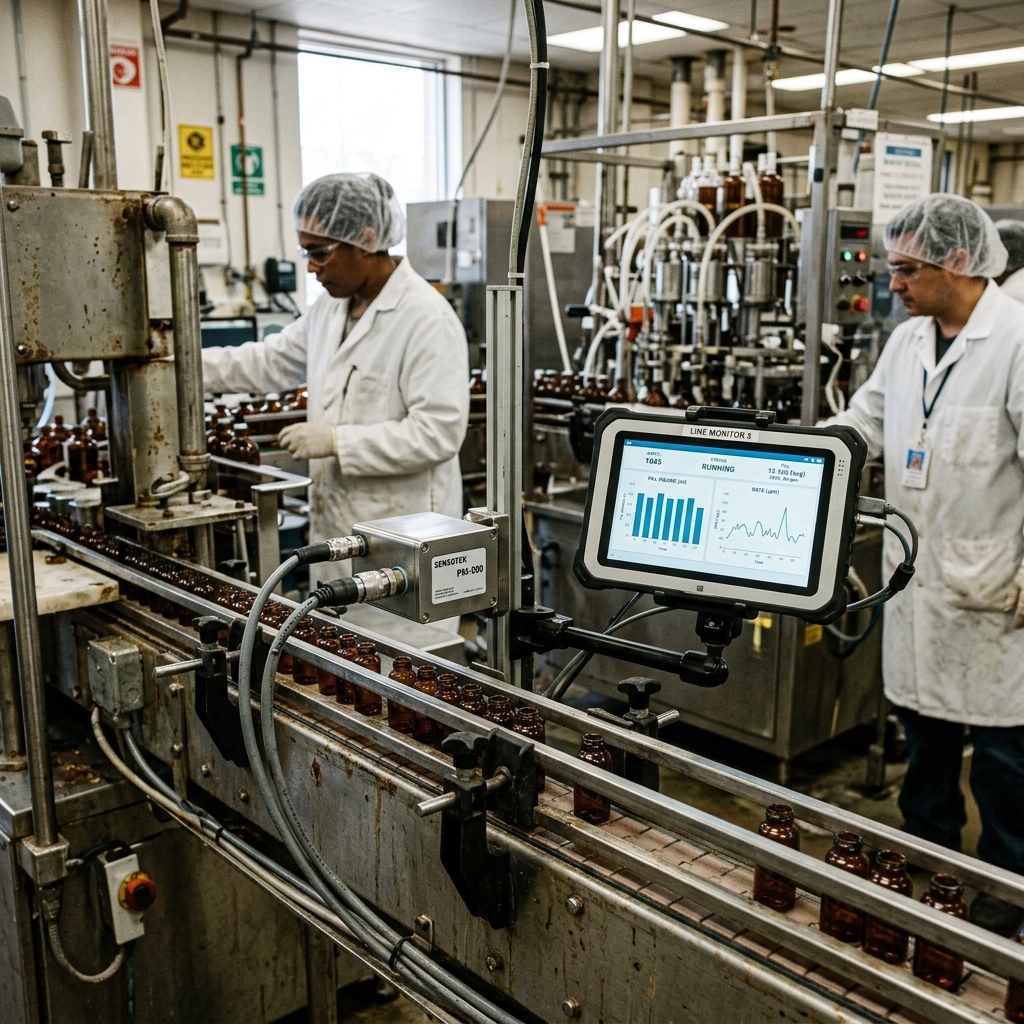

1. The Transition from Batch Compounding to Continuous Liquid Manufacturing
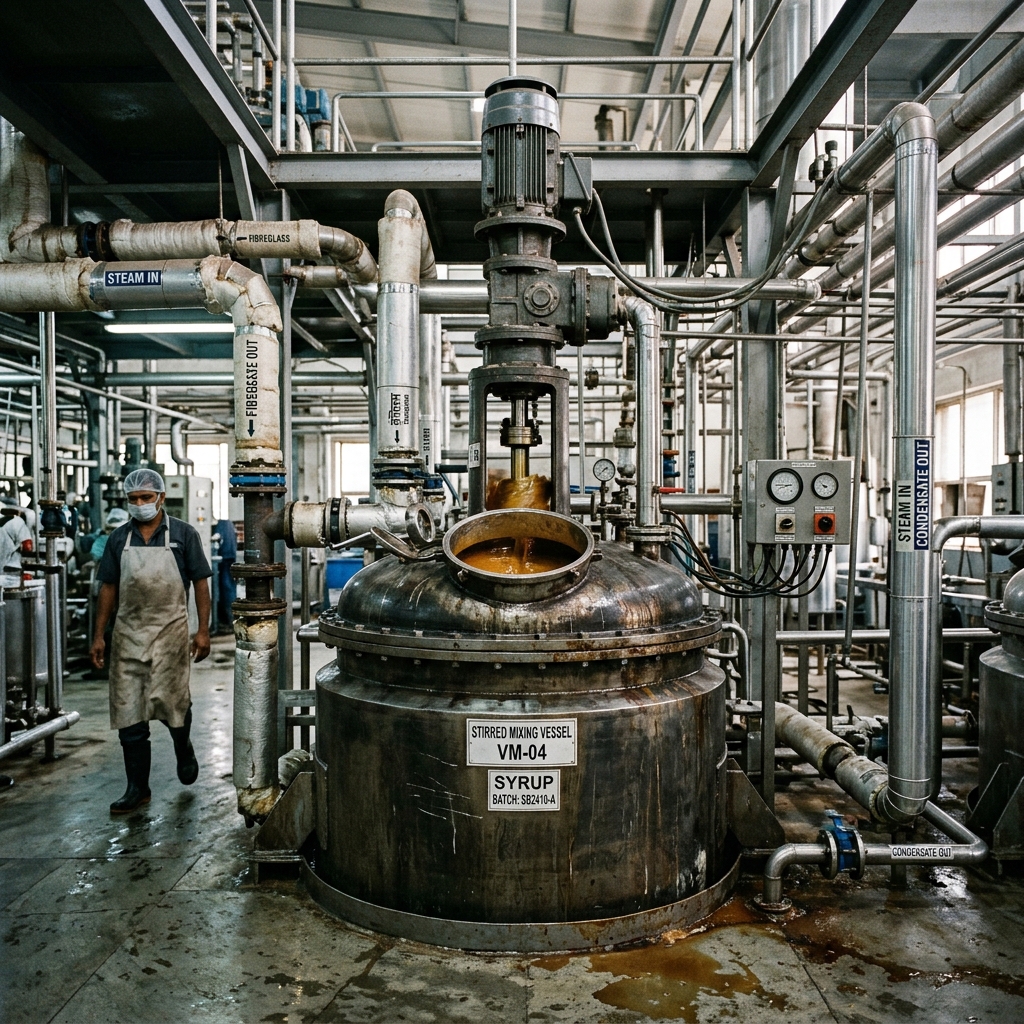
For over half a century, liquid oral pharmaceutical manufacturing relied on traditional batch mixing: measuring sugars, excipients, and APIs into large jacketed stainless-steel vats, stirring for several hours, and taking manual grab samples for laboratory assay.
While functional, batch processing introduces key operational vulnerabilities:
- Risk of thermal degradation during extended heating cycles
- Inconsistent active ingredient dispersion in viscous suspension bases
- Physical segregation or settling during transfer between holding tanks and filling lines
Continuous Inline Processing Architecture
Modern facilities like Saar Biotech are adopting continuous inline compounding and high-shear wet micronization:
Continuous Liquid Oral Processing Flow:
[API Feed / Wetting System] ──► [Continuous In-Line Homogenizer] ──► [Real-Time Viscosity & pH Sensors]
                                              │
[Deaerated Liquid Base]     ──────────────────┘
                                              ▼
[Automated Filtration]      ──► [Direct Positive Displacement Filling] ──► [Automated Capping Line]
By processing raw materials through high-shear inline chambers, continuous compounding delivers sub-micron particle size distribution, eliminating grittiness in heavy pediatric suspensions (such as Sucralfate + Oxetacaine Suspension and antacids) while slashing compounding cycle times by up to 50%.
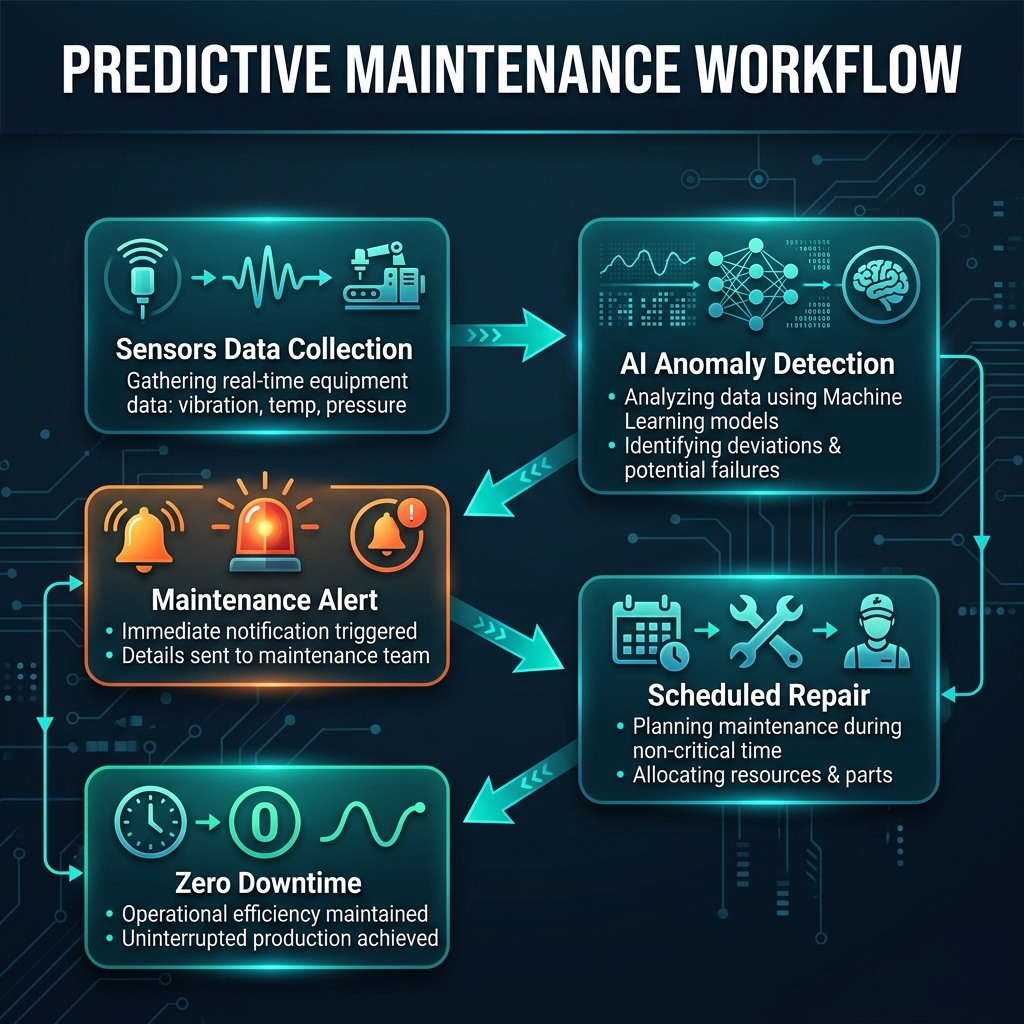
2. High-Speed AI Vision Inspection & Zero-Defect Packaging
Packaging defects — misaligned labels, loose induction seals, illegible inkjet batch codes, or hairline bottle cracks — represent over 60% of commercial pharmacy-level complaints.
To eliminate human visual fatigue on packaging lines operating at 100+ bottles per minute, next-generation contract facilities deploy multi-camera AI vision inspection towers:
| Inspection Parameter | Manual Human Inspection | Automated High-Speed AI Vision |
|---|---|---|
| Inspection Speed | 20–30 units / minute | 120–150 units / minute |
| Defect Detection Rate | ~85% (drops during long shifts) | > 99.8% constant accuracy |
| Tamper-Evident Ring Check | Sampling basis only | 100% individual container check |
| Batch Code Verification | 1 bottle every 30 minutes | 100% OCR font validation on every carton |
| Rejection Mechanism | Manual line pause | Automated pneumatic reject diverter |
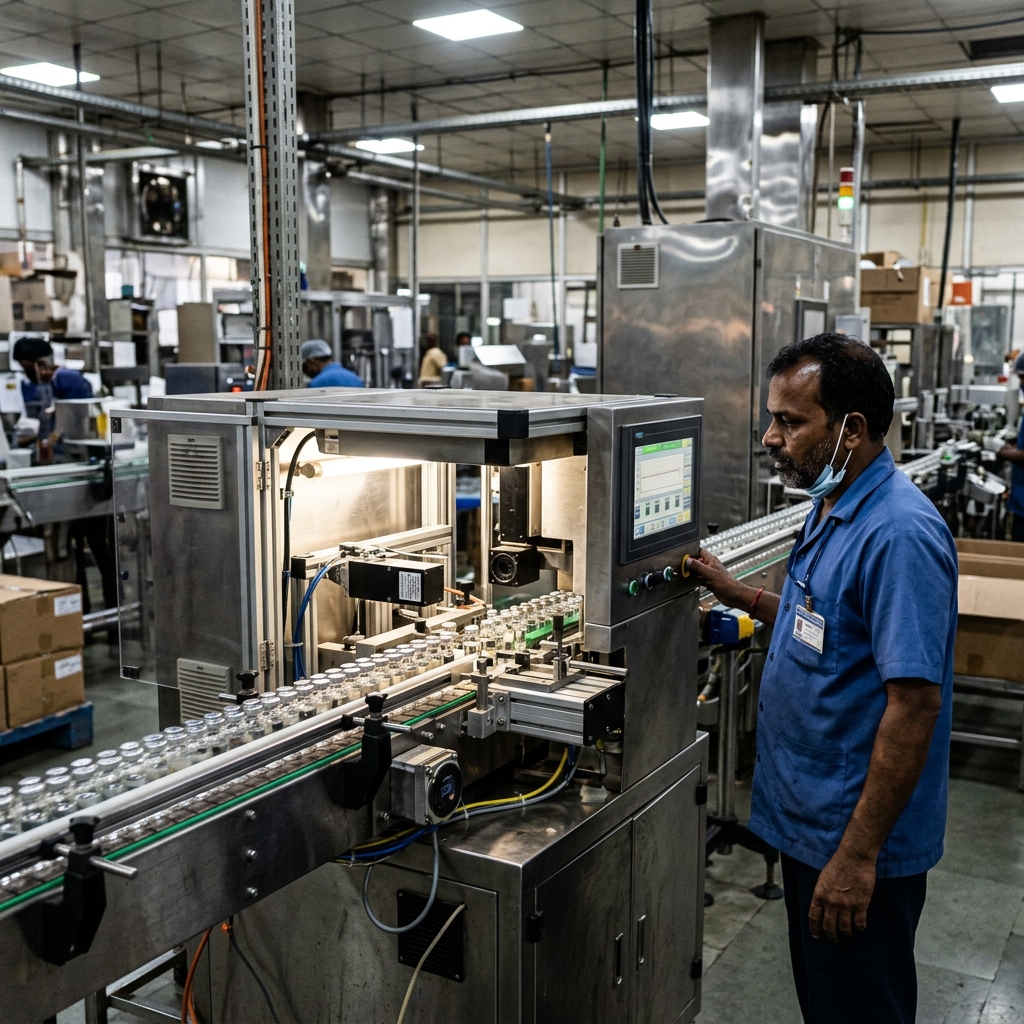
Every bottle that fails cap torque, volume fill line, or 2D barcode scanning is instantly diverted to a secure rejection bin, ensuring that no non-conforming packaging reaches your distribution channels.
3. Data Integrity and 21 CFR Part 11 Digital Ecosystems
In the era of tightened regulatory governance, data integrity has become the primary benchmark of a CMO’s trustworthiness. The era of manual logbooks, editable spreadsheet records, and unmonitored instrument PCs is ending.
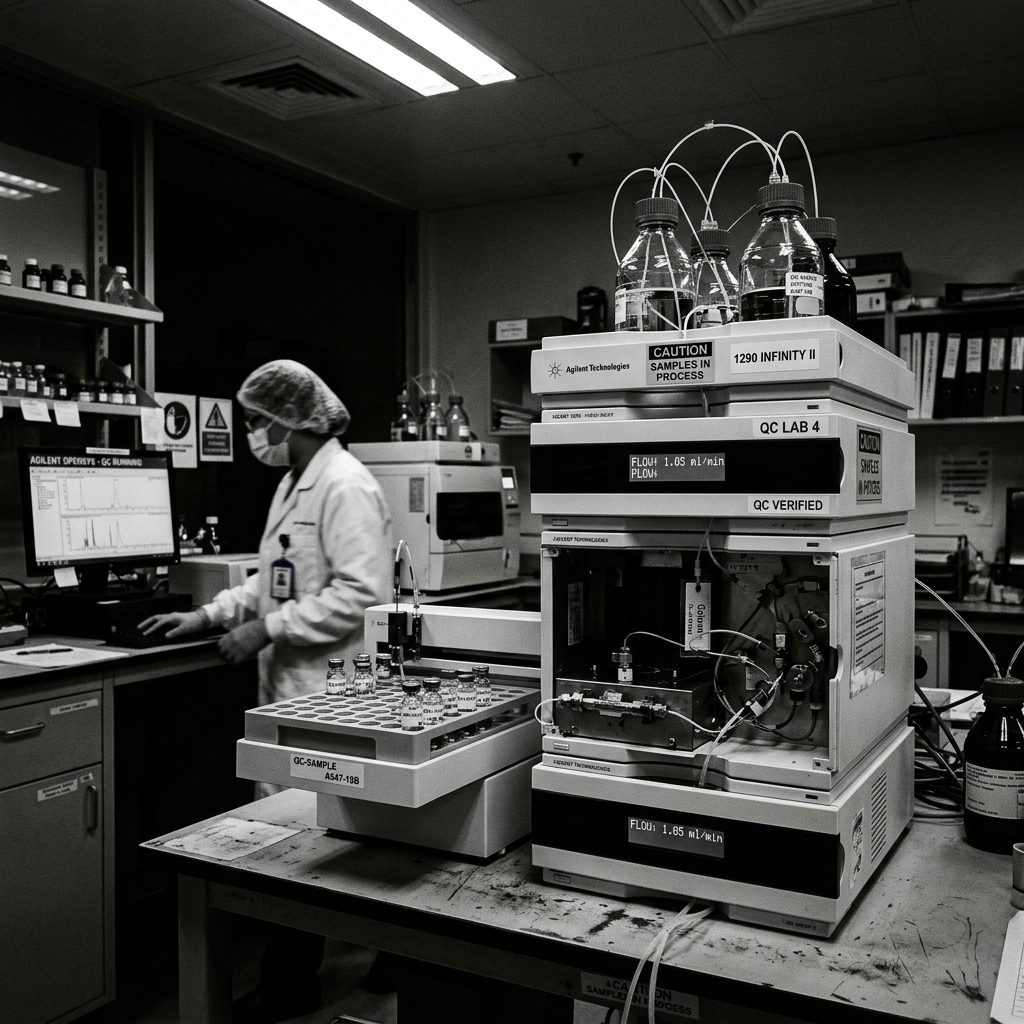
At Saar Biotech’s laboratory in Baddi, analytical instruments operate under 21 CFR Part 11 compliant software architectures:
- Automated Audit Trails: Every HPLC, GC, and UV-Vis assay records timestamped, unalterable audit trails detailing user credentials, sample weights, injection sequences, and calibration curves.
- Direct LIMS / ERP Integration: Raw analytical data feeds directly into the enterprise resource planning system without intermediate manual transposition, preventing unauthorized data manipulation.
- Encrypted Digital Release: Final Certificates of Analysis (COA) are cryptographically validated, giving brand owners instant, tamper-proof verification for distributor compliance.
4. Specialized Dosage Forms: The End of Commodity Generics
With intense price competition across plain paracetamol and cough syrups, successful brand owners are differentiating their product portfolios through specialized formulations that command higher retail margins and patient loyalty:
Dosage Innovation Matrix:
┌───────────────────────────────┬───────────────────────────────────────────┐
│ Traditional Generic Form      │ Advanced High-Barrier Formulation         │
├───────────────────────────────┼───────────────────────────────────────────┤
│ Plain Bitter Paracetamol Drops│ Taste-Masked Flavored Dropper Suspension  │
│ Standard Antacid Suspension   │ Hydrodynamic Mucosal Barrier Suspension   │
│ Conventional Cough Linctus    │ Dual-Release Non-Sedating Formulations    │
│ Messy Topical Analgesic Oint  │ Roll-On & Fast-Absorbing Micro-Emulsions  │
└───────────────────────────────┴───────────────────────────────────────────┘
Formulations like Alpha-Amylase + Papain Pediatric Drops and Paracetamol + Phenylephrine Drops feature micro-dropper dosing pipettes and organoleptic taste masking designed specifically to overcome parental struggle during infant administration.
5. Agile Manufacturing Economics: Protecting Brand Working Capital
Historically, large contract manufacturers forced marketing companies into rigid, high-volume production batches (30,000 to 50,000 units minimum per SKU). For a growing pharma marketing company, this tied up hundreds of thousands of rupees in stagnant inventory while running down product shelf life in regional warehouses.
The future of contract manufacturing is agile batch scalability:
- Pilot & Launch Runs: Commercial batch sizes starting from 5,000 units to test regional acceptance.
- Rapid Repeat Turnaround: Automated changeover procedures allowing repeat batch dispatch within 20 to 25 working days.
- Flexible Packaging Options: Capability to split master batches across multiple pack configurations (e.g., 60ml sample runs and 100ml commercial packs) from a single compounding cycle.
Conclusion: Selecting Your Strategic CDMO for 2026–2030
Pharmaceutical manufacturing is no longer a simple transactional vendor relationship. In an environment shaped by digital compliance, advanced drug delivery systems, and competitive retail shelves, your contract manufacturer is the technical bedrock of your company.
By investing in continuous cleanroom upgrades, automated inspection systems, and comprehensive technical dossier support, Saar Biotech provides Indian and international pharmaceutical companies with the infrastructure needed to lead the market.
To explore contract manufacturing opportunities or review formulation options for your brand, visit our Manufacturing Facility Overview or request a consultation via our B2B Project Planner.
Connect with our technical planning team at quotation@saarbiotech.com or call +91 9357690454 to schedule a consultation on modernizing your formulation pipeline.