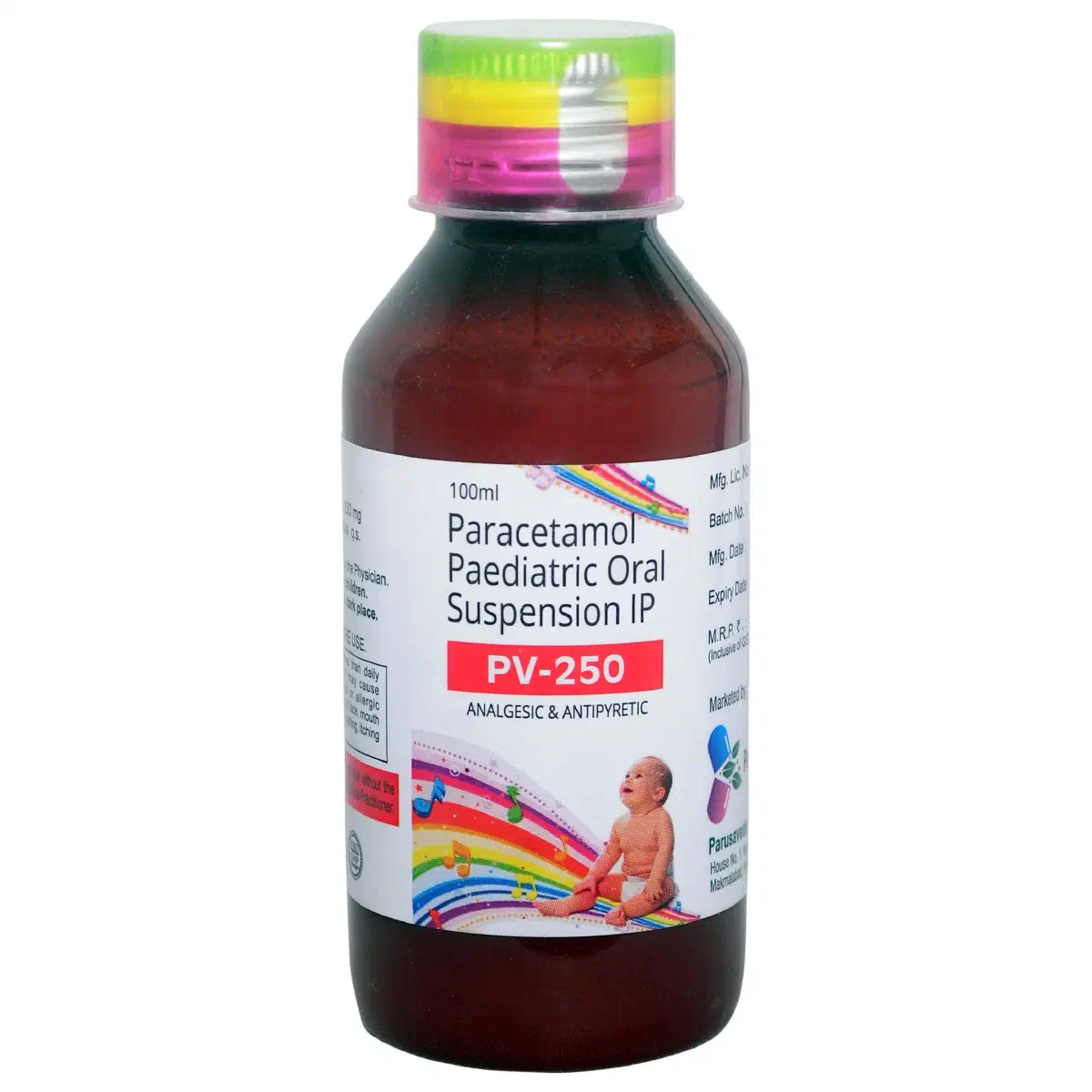
A paediatric prescription is written for the child — but it’s accepted and administered by the parent, and continued or discontinued based on the child’s reaction. A syrup that tastes acceptable becomes a bottle that’s finished. A syrup that the child spits out or gags on becomes a half-finished bottle and a parent who tells the doctor “he wouldn’t take it” at the follow-up visit.
That feedback loop — child’s palatability response → parent’s report → physician’s next prescription decision — is where brand loyalty is made or broken in paediatric pharmaceuticals. It’s a commercial mechanism, not a medical one, and it operates entirely below the pharmacological efficacy level.
Also building a syrup or suspension portfolio?
See our Syrup & Suspension Manufacturing Guide for MOQ, pricing, and general process fundamentals, and our Antibiotic Suspension Guide for antibiotic-specific taste masking requirements.
Why Palatability Is a Revenue Decision, Not a Formulation Detail
Consider two brands of a paediatric fever syrup — same molecule, same strength, both correctly dosed, both pharmacologically effective. Brand A tastes acceptable; Brand B is medicinal and slightly bitter.
For Brand A: The child takes the dose with minimal resistance. The fever breaks. At the follow-up, the parent says it was “easy to give.” The doctor writes the prescription again.
For Brand B: The child resists. The parent dilutes it in juice (incorrect dosing). Or gives up on the second dose. The fever breaks eventually, but the parent says “it was difficult.” The doctor doesn’t switch brands immediately, but over 10–15 such reports, Brand B starts disappearing from the prescription pad.
No clinical trial measures this. It shows up in market share data over 18 months.
The Three Layers of Bitter API Masking
Effective taste masking in paediatric syrups and suspensions addresses bitterness at three separate points in the sensory experience. Each requires a different formulation approach:
Layer 1: The Initial Taste
The first 2–3 seconds after the dose reaches the tongue. Masked primarily by:
- Sweetener intensity and onset: Sucrose gives a fast, high-intensity sweetness onset; sucralose is intense with a slight delay; sorbitol is mild and slow. The sweetener should mask bitterness onset before the API contacts taste receptors fully.
- Flavour system selection: A well-chosen flavour compound (strawberry, mixed fruit) suppresses bitter taste perception through olfactory masking — the brain interprets flavour compounds as pleasant before the bitter signal registers fully.
- Concentration optimisation: More sweetener is not always better; concentration above the saturation threshold produces an unpleasant, cloying taste that’s its own compliance barrier.
Layer 2: The Bitterness Peak
3–8 seconds in, as the full API contact registers. For intensely bitter APIs (azithromycin, cefixime, certain antihistamines), sweetener and flavour alone are insufficient at this stage. Additional approaches:
- Polymer microencapsulation: Coating API particles with Eudragit EPO, HPMC, or similar film-forming polymers prevents direct contact between API and taste receptors. The coating dissolves in the stomach after swallowing. This is the gold standard for very bitter APIs in dry syrups.
- Ion-exchange resin complexation: API bound to an ion-exchange resin (Amberlite IRP-69 is common) releases slowly, reducing the concentration of free API available to taste receptors at any moment.
- pH adjustment: Many bitter APIs have a minimum bitterness threshold at specific pH ranges. Adjusting the suspension pH (within stability constraints) can meaningfully reduce perceived bitterness.
Layer 3: The Aftertaste
8+ seconds through minutes after swallowing. Often the hardest to mask and the most commonly neglected:
- Lingering bitter aftertaste is frequently where sensory panel testing reveals failures that initial taste masking appeared to have solved
- Cyclodextrin complexation, viscosity modification, and flavour enhancers all play a role in aftertaste suppression
- Some APIs have inherently persistent bitter aftertaste that cannot be fully eliminated — the formulation target shifts to “acceptable” rather than “absent”
Sweetener Selection: The Formulation Decision With the Most Market Impact
The choice between sucrose-based and sugar-free formulation is increasingly a market positioning decision as much as a formulation one.
| Sweetener | Sweetness (vs. Sucrose) | Taste Profile | Appropriate For |
|---|---|---|---|
| Sucrose | 1x (reference) | Clean, fast, familiar | Short-course acute therapies where dental risk is low |
| Sucralose | ~600x | Clean, fast, no aftertaste | Sugar-free antibiotic and antihistamine suspensions |
| Sorbitol | ~0.6x | Mild, cool, slight laxative effect at high dose | Sugar-free, complementary with other sweeteners |
| Aspartame | ~200x | Fast onset, slight aftertaste | Sugar-free, not suitable for PKU patients — must be labelled |
| Xylitol | ~1x | Clean, cool, dental benefits | Dental-safe marketing angle; adds cost |
Dosing Devices: The Compliance Hardware
View manufacturing details for Paracetamol Oral Drops · Dill Oil + Fennel + Simethicone Anti-Colic Drops · Vitamin D3 Oral Drops
Alpha-Amylase + Papain Enzyme Drops · Ambroxol HCl Oral Drops
The dosing device — the physical instrument the parent uses to administer the dose — is part of the paediatric product’s compliance system, not an afterthought. A measuring cup designed for adult syrups is inadequate for a 2.5ml neonatal dose. An oral syringe with 1ml graduations for a 7.5mg/kg dose is the right tool.
Standard dosing devices by paediatric product category:
| Product Category | Recommended Dosing Device | Why |
|---|---|---|
| Neonatal/infant oral drops (15–30ml) | Calibrated oral syringe (0.1ml or 0.5ml graduation) | Precision dosing of <1ml volumes; cup measurement at this scale is clinically unsafe |
| Antibiotic dry syrups (30–60ml) | Oral dispenser syringe (2.5ml graduation) | Precise weight-based dosing; avoids cup measurement errors |
| Paediatric fever syrups (60–100ml) | 5ml measuring spoon or oral syringe (5ml/10ml) | Standard volume dosing; familiar to caregivers |
| Vitamin/supplement syrups (100–200ml) | Measuring cup (5ml/10ml markings) | Approximate dosing acceptable for nutritional products |
Including the appropriate dosing device in the product pack — not as a “bonus” but as part of the defined product specification — is a quality and compliance differentiator that prescribers and pharmacists increasingly expect from well-managed paediatric brands.
Browse by category:
- Syrups Manufacturing — full range of paediatric and adult syrups
- Suspensions Manufacturing — antibiotic and GI suspensions
- Oral Drops Manufacturing — neonatal drops, D3, enzyme, anti-colic
- Dry Syrups Manufacturing — antibiotic dry syrups for reconstitution
Related reading:
- Antibiotic Suspension Manufacturing Guide — taste masking for antibiotics specifically
- Taste-Masked Liquid Orals: Why Palatability Drives Repeat Sales — deeper look at the commercial argument
Building a Paediatric Syrup Portfolio
For a pharma marketing company building a paediatric liquid oral portfolio, a logical entry sequence by risk and volume:
- Paracetamol suspension (60ml, 125mg/5ml) — the foundational paediatric product; every household that has children uses it; palatability and clarity are the quality differentiators
- Vitamin D3 oral drops (15ml, 400 or 800 IU/ml) — broad prescribing across paediatricians and general physicians; format differentiates from adults
- Azithromycin dry syrup (30ml, 200mg/5ml) — high-volume prescription antibiotic; taste masking is the primary quality differentiator between brands
- Cough & cold syrup (60ml) — seasonal volume; palatability and rapid-symptom relief profile drive prescription choice
Each of these is a product where palatability directly affects the physician’s next prescription — making the investment in proper formulation development the most commercially rational decision in the product brief.
Conclusion
Palatability in paediatric syrups is where formulation chemistry meets market share. A child who takes the dose reliably completes the treatment, and a parent who reports good compliance at the follow-up visit is the most direct feedback loop a physician receives about a product’s real-world performance. Manufacturers who treat taste masking as a serious formulation discipline — running sensory panel testing, iterating on sweetener and flavour systems, validating aftertaste suppression — produce brands that last on a physician’s prescription pad.
The brief for a paediatric syrup should specify target palatability alongside composition, strength, and pack size. It’s not a formulation detail. It’s a revenue decision.
Ready to develop a paediatric liquid formulation?