PLI Scheme for Pharmaceuticals Explained: What It Means for Indian API Sourcing and Pricing
Saar Biotech Regulatory Affairs Team
··
6 min read
·
Updated August 2026
Key Takeaways
The PLI scheme for APIs and Key Starting Materials (KSMs) launched in July 2020 with a total outlay of ₹69.4 billion (₹6,940 crore).
As of June 2025, actual investment under the scheme had reached ₹47.1 billion, exceeding originally committed levels — a genuine execution track record, not just policy intent.
32 companies have been approved for greenfield API projects, with import substitution potential valued at ₹14.8 billion.
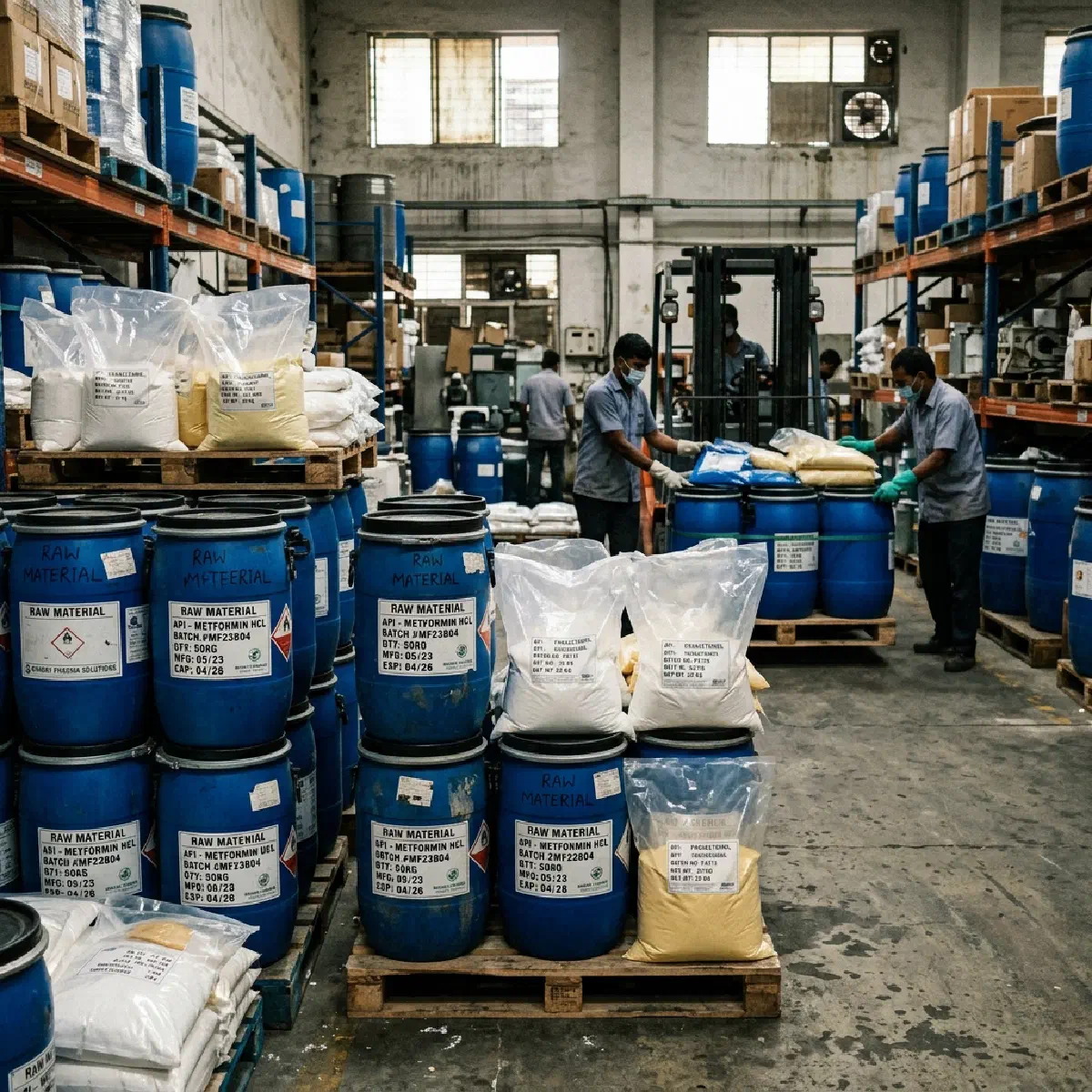
A majority of newly commissioned projects target fermentation-based antibiotics and high-volume chronic therapy molecules like atorvastatin and metformin — categories directly relevant to liquid oral and chronic-disease formulations.
For brand owners, the practical impact is reduced exposure to global API price swings and import supply disruptions as more of the domestic supply chain shifts to Indian-manufactured APIs.
If you’ve sourced pharma products from India for any length of time, you’ve likely felt the effects of API price volatility — a formulation that was cost-stable for years suddenly gets more expensive because a key raw material, often imported, spiked in price. The Production Linked Incentive (PLI) scheme for pharmaceuticals is the government’s structural answer to that problem, and it’s worth understanding even if you never interact with an API manufacturer directly.
What the PLI Scheme Actually Is
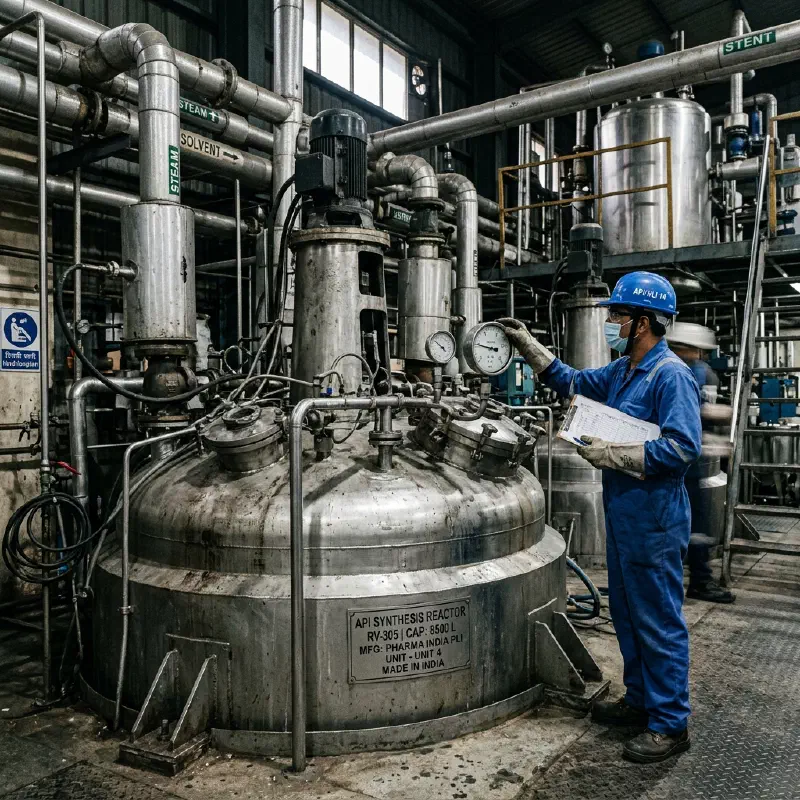
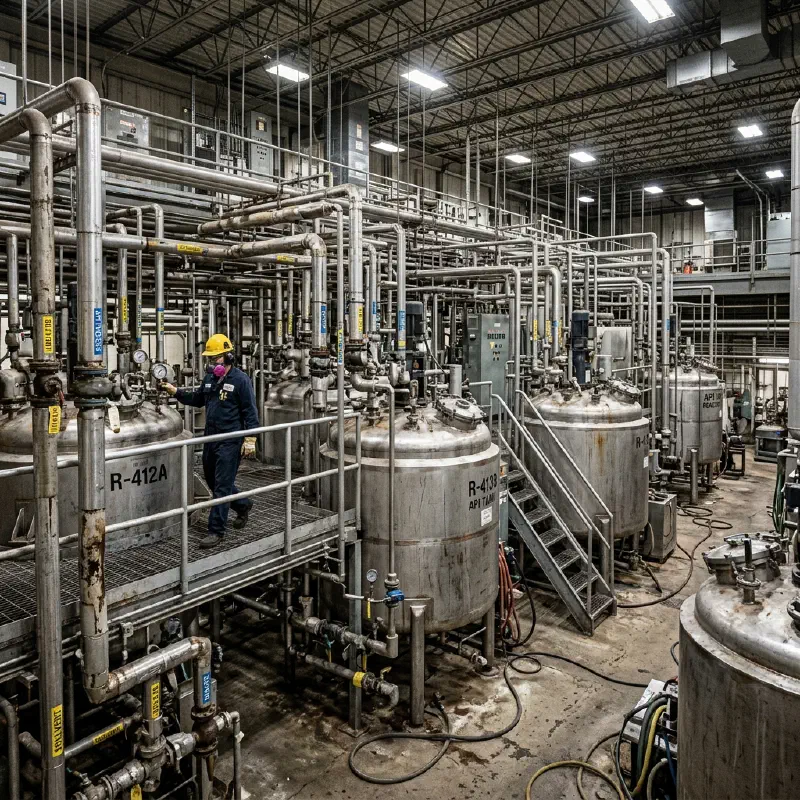
The PLI scheme for Active Pharmaceutical Ingredients (APIs) and Key Starting Materials (KSMs) launched in July 2020 with a total outlay of ₹69.4 billion (₹6,940 crore). Its core purpose: incentivize Indian companies to manufacture APIs domestically rather than continuing to rely heavily on imports — historically dominated by Chinese suppliers, who benefited from manufacturing scale, subsidized utilities, and integrated chemical ecosystems that were difficult for Indian producers to match on cost alone.
Why This Mattered Enough to Fund
This cost-arbitrage model made sense for years — until supply chain shocks between 2020 and 2022, combined with rising geopolitical uncertainty, exposed it as an operational risk rather than a sound long-term strategy. The PLI scheme is a direct policy response to that realization: trading some cost efficiency for supply security and pricing stability.
The Numbers: Real Execution, Not Just Policy Announcements
Government incentive schemes are easy to announce and harder to actually execute. This one has a genuine track record:
Metric
Figure
Total scheme outlay
₹69.4 billion
Actual investment (as of June 2025)
₹47.1 billion
Companies approved for greenfield projects
32
Import substitution potential
₹14.8 billion
The investment figure exceeding original commitment targets at this stage is a meaningful signal — it suggests genuine private-sector uptake, not just policy intent sitting on paper.
What’s Actually Being Built
Of the projects commissioned recently, a disproportionate share targets fermentation-based antibiotics and high-volume chronic therapy molecules — atorvastatin (for cholesterol management) and metformin (for diabetes) among them. This matters for a specific reason: these aren’t niche, low-volume specialty inputs. They’re foundational, high-demand molecules that feed directly into the kind of chronic-therapy liquid orals and tablets that dominate Indian pharma marketing companies’ portfolios.
You likely don’t purchase APIs directly — your manufacturer does. But the PLI-driven shift toward domestic API production has real downstream effects on your business:
Effect
Practical Impact
Reduced import dependency
Less exposure to import duty changes, shipping disruptions, and cross-border delays
Domestic supply diversification
Fewer single-point-of-failure risks if one supplier or one country faces a disruption
Long-term pricing stability
Less vulnerability to sudden global API price swings for high-volume chronic therapy molecules
A Realistic Timeline, Not an Overnight Fix
API supply chains don’t transition in months — greenfield projects take years to reach full commercial scale. The PLI scheme represents a genuine structural shift already underway, but brand owners should think of this as a multi-year tailwind for supply stability, not something that changes pricing conversations immediately.
The Question Worth Asking Your Manufacturer
Due Diligence Angle
Ask your manufacturer: “Are your key APIs sourced domestically or imported, and has that changed in recent years?” A manufacturer actively diversifying toward domestic API sources for high-volume formulations is generally better positioned to offer stable, predictable pricing over time than one still heavily reliant on a single import source.
How Saar Biotech Approaches API Sourcing
Our procurement team actively tracks the evolving domestic API landscape and works with an Approved Vendor List that includes qualified Indian API suppliers wherever consistent quality and reliable supply can be established — reducing our own exposure, and by extension yours, to import-driven cost and supply volatility. For more on how we qualify raw material vendors in the first place, see our Quality Control Guide.
Conclusion
The PLI scheme isn’t abstract policy — it’s a real, funded, actively executing shift in where India’s pharmaceutical raw materials come from. For a brand owner, the practical upshot over the coming years is a more resilient, less import-dependent supply chain feeding your formulations, particularly for the high-volume chronic therapy categories the scheme is most focused on.
Have questions about how your product’s API sourcing works?
The Production Linked Incentive (PLI) scheme is a government initiative offering financial incentives to companies that increase domestic manufacturing output in targeted sectors. For pharmaceuticals, a dedicated PLI scheme for Active Pharmaceutical Ingredients (APIs) and Key Starting Materials (KSMs) launched in July 2020 with a total outlay of ₹69.4 billion, aimed at reducing India’s historical dependence on imported APIs, particularly from China.
How much has actually been invested under the PLI scheme so far?
As of June 2025, actual investment under the API/KSM PLI scheme had reached ₹47.1 billion — exceeding the originally committed investment levels at that stage. Thirty-two companies have been approved for greenfield projects, with import substitution potential valued at ₹14.8 billion.
Why does India need a PLI scheme for APIs specifically?
For decades, many Indian formulation manufacturers sourced a significant share of their APIs and key starting materials from China, which offered cost advantages through scale and integrated chemical ecosystems. Supply chain shocks between 2020 and 2022, combined with rising geopolitical uncertainty, exposed this dependency as an operational risk rather than just a cost-saving strategy — prompting the current investment push toward domestic backward integration.
What kinds of API projects are being built under the PLI scheme?
A majority of newly commissioned projects focus on fermentation-based antibiotics and high-volume chronic therapy molecules, such as atorvastatin (cholesterol) and metformin (diabetes) — categories with consistent, large-scale domestic and export demand.
How does the PLI scheme affect pricing and supply for a pharma brand owner?
As more API capacity shifts onshore, brand owners sourcing formulations from Indian manufacturers should see reduced exposure to global API price volatility and import-related supply disruptions over time. This doesn’t happen overnight — API supply chains take years to fully transition — but the direction is toward greater domestic supply reliability and, potentially, more stable long-term pricing for high-volume chronic therapy formulations.
Does the PLI scheme affect third-party manufacturers directly, or only large API producers?
The scheme’s incentives are targeted at API and KSM manufacturers, not formulation-stage contract manufacturers directly. However, third-party manufacturers benefit indirectly as their API supply chains diversify and stabilize, which can improve cost predictability and reduce sourcing risk when quoting and delivering finished formulations to brand owners.
Saar Biotech Regulatory Affairs TeamPharmaceutical Manufacturing Experts · Baddi, India
The Saar Biotech editorial team comprises regulatory affairs specialists, production pharmacists, and quality assurance managers with a combined 21+ years of pharmaceutical manufacturing experience.
Why Choose Saar Biotech as Your Contract Manufacturing Partner?
Across every dosage form and every therapeutic area, Saar Biotech maintains the same uncompromising standards — because your brand's reputation depends on it.
WHO-GMP Certified
All dosage forms manufactured under WHO-GMP and ISO 9001:2015 in Baddi, India.
30–45 Day Turnaround
From artwork approval to first dispatch — delivered on time, India-wide.
Complete Regulatory Support
DCGI licensing, state permissions, COA issuance — handled by our team.
Segregated Lines
Dedicated Beta-Lactam and Non-Beta-Lactam manufacturing blocks for absolute purity.
240+Approved Formulations
2250+B2B Partners Served
Schedule MCompliant Manufacturing
30–45Day Turnaround (Days)
Search products, compositions, and company insights
Start an enquiry
Tell us what you want to manufacture
Share approved composition details, product category, dosage form, packing requirement, target quantity, and documentation needs. The team responds with practical next steps.