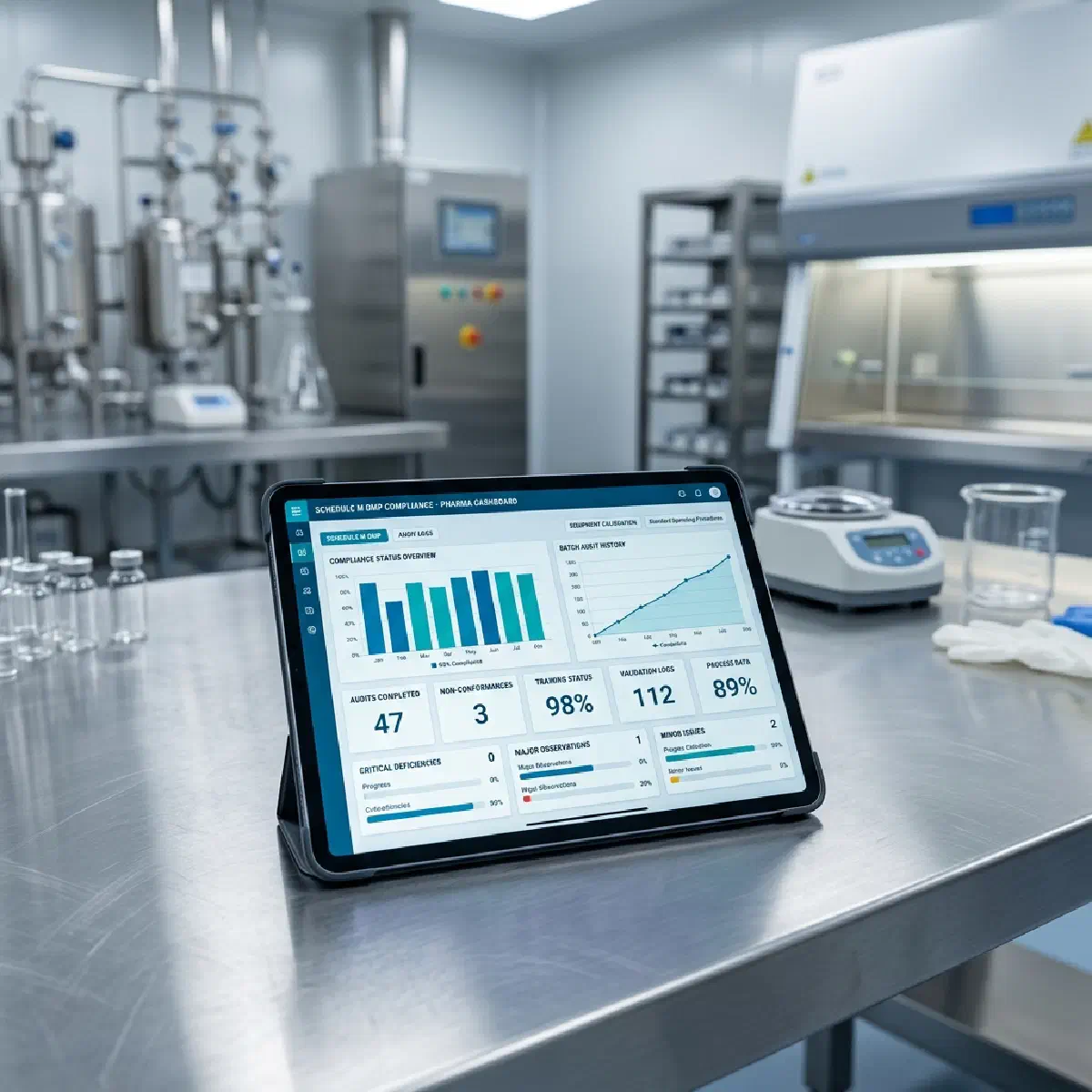
The Indian pharmaceutical landscape is undergoing a monumental shift with the implementation of the Revised Schedule M. Aimed at elevating domestic manufacturing standards to match global benchmarks like WHO-GMP and PIC/S, this structural overhaul is redefining how pharmaceutical products are produced and monitored.
For pharma marketing companies, PCD franchises, and entrepreneurs looking for third-party manufacturing partners, understanding these changes is critical. Partnering with Schedule M compliant companies is no longer just an option—it is a regulatory necessity. This is exactly why brands are actively searching for the schedule m best pharma company to secure their supply chain.

What is Schedule M?
Schedule M of the Drugs and Cosmetics Act, 1940, prescribes the Good Manufacturing Practices (GMP) and specific requirements for pharmaceutical manufacturing facilities in India. It dictates everything from facility layout and air handling systems (HVAC) to quality control procedures and documentation.
The recent revision transforms the regulatory approach from merely checking documents to embedding a system-based, risk-based quality culture into the DNA of pharmaceutical manufacturing.

Key Changes in the Revised Schedule M
The recent schedule M changes are extensive, focusing heavily on quality assurance, risk mitigation, and transparency. Here are the most significant updates:
1. Implementation of a Pharmaceutical Quality System (PQS)
Manufacturers are now required to implement a formal PQS aligned with ICH Q10 guidelines. This emphasizes continuous management review, robust change control processes, and effective CAPA (Corrective and Preventive Actions) to maintain a state of control throughout the product lifecycle.
2. Quality Risk Management (QRM)
A proactive approach to quality is now mandatory. Companies must integrate QRM systems to identify, scientifically assess, and mitigate risks across all manufacturing stages—from raw material procurement to final product dispatch.
graph TD
    A[Risk Assessment] --> B[Risk Evaluation]
    B --> C{Is Risk Acceptable?}
    C -- No --> D[Risk Control & Mitigation]
    D --> E[Implement CAPA]
    E --> F[Risk Review & Monitor]
    C -- Yes --> F
    F --> A
3. Data Integrity and Traceability
The revised guidelines strictly enforce the ALCOA+ principles (Attributable, Legible, Contemporaneous, Original, Accurate, complete, consistent, enduring, and available). This means all records, including electronic audit trails, must be tamper-proof, ensuring complete traceability and preventing data manipulation.
4. Lifecycle-Based Validation
The traditional one-off validation of equipment has been replaced with a lifecycle-based approach. Equipment and processes must undergo continuous qualification (IQ/OQ/PQ) to ensure they consistently produce products meeting predetermined specifications.
5. Facility, Equipment & Personnel Upgrades
The revised standards place heavy emphasis on structural and operational integrity:
- Facility & Premises: Manufacturing areas must ensure a logical flow of materials, feature smooth washable surfaces, maintain strict environmental controls (HVAC, pressure differentials), and segregate storage to prevent cross-contamination.
- Equipment & Utilities: Machinery must use non-reactive, corrosion-resistant materials. Crucial utilities like purified water and compressed air systems require strict, documented validation.
- Personnel & Training: Mandatory continuous training on GMP and hygiene is enforced, along with regular health checkups and strict gowning procedures in cleanrooms.
Impact on Third-Party Pharma Manufacturing in Baddi
Baddi, Himachal Pradesh, is India’s premier pharmaceutical manufacturing hub. The recent Schedule M changes have catalyzed a massive technological and infrastructural upgrade across the region.
The Rise of Schedule M Compliant Companies and Factories
For third-party manufacturing clients, the selection of a CMO (Contract Manufacturing Organization) has become more rigorous. Finding the schedule m best pharma company or top-tier schedule m factories in Baddi offers several distinct advantages:
- Global Quality Standards: Products manufactured in compliant facilities meet international standards, facilitating easier entry into both domestic and export markets.
- Supply Chain Security: Enhanced vendor qualification protocols ensure that all Active Pharmaceutical Ingredients (APIs) and excipients are sourced reliably and tested thoroughly.
- Brand Protection: Stringent data integrity and quality risk management minimize the chances of batch failures and product recalls.
How Saar Biotech Adapted to the Revised Schedule M
At Saar Biotech, quality has always been our cornerstone. We recognized the industry’s trajectory early and proactively invested in adapting to the recent Schedule M changes across our manufacturing units in Baddi.
Here is how we ensure seamless compliance:
- State-of-the-Art Infrastructure: We have upgraded our clean rooms, HVAC systems, and water systems to exceed the new regulatory thresholds.
- Digital Transformation: Our quality control laboratories and production floors are integrated with advanced software to ensure absolute data integrity and comprehensive electronic audit trails.
- Continuous Training: We have implemented continuous training programs for our workforce, ensuring that every operator understands and embodies the new quality culture.
- Robust QRM Framework: Our dedicated quality assurance team utilizes advanced statistical tools to identify and mitigate potential risks before they can impact production.
By choosing Saar Biotech, you are partnering with the schedule m best pharma company in the region. We are a highly evolved, Schedule M compliant company that guarantees the safety, efficacy, and regulatory compliance of your pharmaceutical brand across our state-of-the-art schedule m factories.
Conclusion
The Revised Schedule M is a welcome evolution that strengthens the foundation of the Indian pharmaceutical industry. While it demands significant upgrades from manufacturers, it ultimately benefits the end consumer and the brand owners.
For your next product launch—whether it’s an Oral Suspension, a Nasal Spray, or a Topical Gel—ensure your manufacturing partner is ahead of the regulatory curve.
Ready to partner with a fully compliant CMO in Baddi? Contact our business development team today.