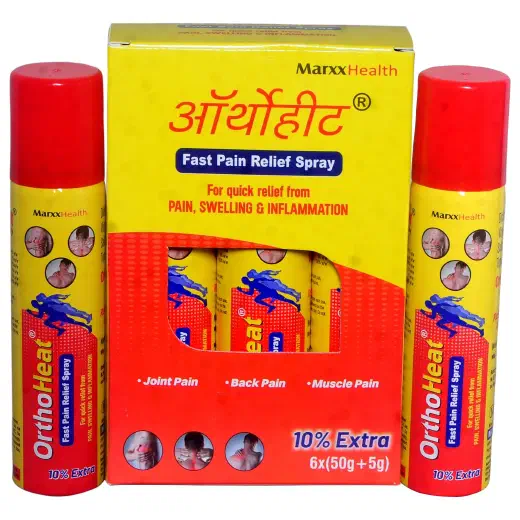
Diclofenac Diethylamine Combination Gel
Diclofenac Diethylamine IP + Methyl Salicylate IP + Menthol IP + Linseed Oil BP + Benzyl Alcohol IP · Anti-Inflammatory, Analgesics & Pain Relief, Orthopaedics
Diclofenac Diethylamine 1.16% + Menthol 0.5% Gel
Diclofenac Diethylamine 1.16% + Menthol 5.0% Gel (Strong Cooling)
Diclofenac Diethylamine 2.32% + Menthol 5.0% Gel (Double Strength)
Product Profile
Diclofenac Diethylamine Combination Gel is a market-proven, multi-mechanism topical analgesic combining an NSAID, two counter-irritants, and a penetration-enhancing botanical — formulated for fast, targeted relief of musculoskeletal and joint pain. As a WHO-GMP certified pharmaceutical manufacturer in Baddi, Saar Biotech produces this combination gel using controlled homogenization to ensure uniform API dispersion, consistent viscosity, and stable percutaneous delivery across every batch.
DCGI Approved
Comprehensive documentation and CDSCO support for rapid market entry in India.
Fast Turnaround
30-45 days lead time for new batches with state-of-the-art logistics.
Pan-India Supply & Contract Manufacturing
Clinical Overview & Therapeutic Class
Diclofenac Diethylamine Combination Gel belongs to the Gels category and is classified as a topical analgesic and anti-inflammatory preparation. It is a Schedule H product requiring a valid medical prescription for dispensing in India.
The formulation combines five active components, each contributing to a distinct analgesic or anti-inflammatory mechanism. This multi-target approach is what distinguishes it from single-NSAID topical gels — the combination addresses pain at both the biochemical level (prostaglandin inhibition) and the sensory-neurological level (counter-irritant activation of cold and heat receptors), while Linseed Oil simultaneously enhances dermal bioavailability of all active components.
Diclofenac Diethylamine is selected over Diclofenac Sodium in this formulation specifically for its superior skin penetration. The diethylamine salt form’s higher lipophilicity allows it to partition more readily into the stratum corneum and reach sub-dermal and periarticular tissues — the actual sites of inflammation in arthritis and soft tissue injuries.
Key clinical characteristics:
- Onset: Counter-irritant effects (cooling/warming) begin within minutes of application; NSAID-mediated anti-inflammatory action builds over repeated doses.
- Target Patient Populations: Adults and adolescents with acute soft tissue injuries (sprains, strains), chronic joint conditions (osteoarthritis, rheumatoid arthritis), and non-specific backache.
- Route: External topical use only — not for oral or mucous membrane application.
Saar Biotech manufactures DCGI-approved formulations of this combination gel from our manufacturing facility in Baddi, available in three tailored variations ranging from standard 1.16% to double-strength 2.32% Diclofenac with variable Menthol cooling profiles.
Pan-India Supply & Contract Manufacturing
The Saar Biotech Advantage
At Saar Biotech, we manufacture Diclofenac Diethylamine Combination Gel using a precision-controlled homogenization process that ensures every tube delivers uniform API distribution, consistent sensory performance, and stable shelf-life potency.
- Multi-API Uniformity: Homogeneous dispersion of five active components — Diclofenac Diethylamine, Methyl Salicylate, Menthol, Linseed Oil, and Benzyl Alcohol — is achieved through a validated mixing sequence and controlled temperature homogenization. Segregation of actives within the gel matrix is the most common quality failure in multi-component topicals; our process eliminates this variability batch-to-batch.
- Viscosity Consistency: Every batch is tested for viscosity within a defined specification range to ensure the gel spreads easily on application, absorbs without residue, and maintains the correct texture through its 24-month shelf life — critical for patient compliance and brand perception.
- pH-Optimised Base: The gel base is formulated and verified within a skin-compatible pH range to prevent cutaneous irritation and maintain the chemical stability of Diclofenac Diethylamine, which is pH-sensitive and can degrade in incorrectly buffered topical bases.
- Triple-Variation Capability: Our semi-solid manufacturing infrastructure supports three specific formulations — 1.16% with 0.5% Menthol, 1.16% with 5.0% Menthol, and the high-strength 2.32% with 5.0% Menthol. This gives B2B partners the flexibility to launch a tiered brand portfolio targeting both mild daily pain and severe arthritic conditions under a single brand architecture.
- Tube Filling Precision: Automated laminated tube filling lines in Baddi ensure accurate fill weight per tube with minimal variation, maintaining label claim integrity and reducing material wastage across large commercial runs.
This manufacturing discipline ensures that your brand delivers a consistent therapeutic experience — the sensory signature (cooling, warming, fast absorption) and the clinical outcome must be identical from the first tube to the last in every batch.
Pan-India Supply & Contract Manufacturing
Key Indications & Usage
Diclofenac Diethylamine Combination Gel is manufactured by Saar Biotech for the following clinically recognised indications, making it a versatile topical analgesic for acute and chronic musculoskeletal pain management.
- Soft Tissue Injuries: Sprains, strains, and bruises from sports or accidental trauma. Diclofenac’s local anti-inflammatory action reduces swelling and pain at the injury site, while Menthol and Methyl Salicylate provide immediate sensory analgesia during the acute phase.
- Joint Pain — Osteoarthritis: Periarticular application reduces localised joint inflammation and stiffness in weight-bearing joints (knee, hip, shoulder). The combination’s enhanced penetration via Linseed Oil ensures active delivery to the inflamed sub-articular tissue.
- Rheumatoid Arthritis: Adjunctive topical therapy for localised joint inflammation and morning stiffness. Best used alongside systemic therapy as directed by a rheumatologist.
- Backache & Lumbago: Chronic low-back pain and musculoskeletal backache benefit from the combination’s dual counter-irritant and NSAID mechanism, addressing both surface and deeper tissue pain components.
- Sports Injuries & Tendinopathy: Peritendinous application for tendon and ligament pain — tennis elbow, golfer’s elbow, Achilles tendinitis, and rotator cuff pain. The gel’s penetrating base facilitates delivery to peritendinous structures.
This formulation is a Schedule H drug requiring a valid medical prescription for dispensing in India.
Pan-India Supply & Contract Manufacturing
Mechanism of Action & Formulation Integrity
How the Five Components Work Together
Diclofenac Diethylamine Combination Gel operates through three distinct but synergistic analgesic mechanisms acting simultaneously:
NSAID-Mediated Anti-Inflammation (Diclofenac Diethylamine): Authoritative pharmacological data shows that after dermal penetration, Diclofenac acts primarily by inhibiting both COX-1 and COX-2 cyclooxygenase enzymes, blocking the conversion of arachidonic acid to pain-mediating prostaglandins (PGE₂, PGI₂). Furthermore, some clinical evidence suggests it simultaneously inhibits the lipoxygenase pathway, reducing leukotriene B4 (LTB4) formation. The diethylamine salt formulation is specifically chosen over the sodium salt due to its superior lipophilicity, which significantly enhances stratum corneum penetration, allowing the drug to reach deep periarticular tissues and synovial fluid at therapeutic concentrations.
Counter-Irritant Sensory Analgesia (Methyl Salicylate + Menthol): Methyl Salicylate generates a warming sensation by activating TRPV1 (transient receptor potential vanilloid 1) thermoreceptors and stimulating local cutaneous circulation. This masks deeper musculoskeletal pain signals through counter-irritation — a peripheral pain gating mechanism. Menthol activates TRPM8 cold-receptor channels, producing a sustained cooling effect that desensitises the same nociceptors that are transmitting pain, compounding the analgesic effect. These two counter-irritant actions overlap in timing, creating the characteristic dual cool-then-warm sensation that patients associate with rapid gel efficacy.
Penetration Enhancement & Anti-Inflammatory Support (Linseed Oil): Linseed Oil (containing approximately 55–60% alpha-linolenic acid, an omega-3 fatty acid) functions both as an emollient penetration enhancer — improving the percutaneous flux of Diclofenac and Methyl Salicylate through the stratum corneum — and as a direct anti-inflammatory agent, as ALA is a substrate for anti-inflammatory eicosanoid synthesis that partially counters the arachidonic acid inflammatory cascade.
Manufacturing Integrity
- Structural Stability of Diclofenac Diethylamine: The diethylamine salt form is sensitive to pH and temperature changes during manufacturing. Our gel base is prepared at controlled temperature with validated pH adjustment before API incorporation, preventing hydrolytic degradation of the amine salt linkage that would reduce bioactive Diclofenac content.
- Volatile Component Retention (Menthol, Methyl Salicylate): Both Menthol and Methyl Salicylate are volatile at elevated temperatures. Our manufacturing process uses temperature-monitored closed-vessel mixing to prevent evaporative loss of these actives during homogenization — ensuring the finished product retains its full counter-irritant potency and characteristic sensory profile.
Pan-India Supply & Contract Manufacturing
Pharmacology & B2B Product Positioning
Topical Diclofenac Diethylamine Combination Gel has well-characterised percutaneous pharmacokinetics that make it both clinically effective and commercially attractive for branded pharma partners.
- Dermal Bioavailability via the Diethylamine Salt: Diclofenac Diethylamine achieves significantly higher dermal penetration than Diclofenac Sodium at equivalent molecular doses. The diethylamine counterion enhances the active’s partition into the lipid-rich stratum corneum, increasing delivery to the sub-dermal tissues where inflammation is occurring. Peak local tissue concentrations are typically achieved 2–4 hours after application, with measurable diclofenac detected in periarticular tissues at concentrations therapeutically relevant for COX inhibition.
- Minimal Systemic Absorption: Plasma concentrations of Diclofenac following topical application are approximately 100 times lower than equivalent oral doses. This pharmacokinetic profile confers the anti-inflammatory benefit of an NSAID with substantially reduced gastrointestinal, renal, and cardiovascular risk — a compelling clinical and marketing advantage over oral NSAIDs in the arthritis and chronic pain segment.
- Onset and Duration: The counter-irritant components (Menthol, Methyl Salicylate) provide near-immediate sensory relief within minutes, which is the patient-perceived “fast action” that drives repeat purchase and brand loyalty. The Diclofenac component builds anti-inflammatory effect over 6–8 hours of local tissue exposure. This temporal layering — fast sensory relief followed by sustained anti-inflammatory action — is a powerful clinical and marketing narrative for branded topical analgesics.
- Linseed Oil as a Penetration Multiplier: Independent of its ALA content, Linseed Oil functions as a natural emollient that disrupts the tight lipid packing of the stratum corneum, facilitating passive diffusion of all co-dissolved active molecules. This makes Saar Biotech’s combination formulation inherently more bioavailable at the tissue level than comparable gels using a simple gel base without an oil phase.
- Pack Size Commercial Logic: The 25 gm and 30 gm tube formats align with standard treatment courses for acute conditions (2–3 weeks at 3–4 applications per day) and are well-positioned for OTC-adjacent retail at pharmacy counters. The 25 gm tube is a competitive MRP option for price-sensitive markets; the 30 gm positions the brand as the better-value choice per gram. Custom sizes (50 gm, 100 gm) support institutional and hospital supply channels.
Pan-India Supply & Contract Manufacturing
B2B & Contract Manufacturing Details
Saar Biotech offers specialised Contract Manufacturing (CMO) and Third-Party Manufacturing services for Diclofenac Diethylamine Combination Gel from our semi-solid manufacturing facility in Baddi, Himachal Pradesh. Explore our full topical and semi-solid product range.
- Facility: Dedicated semi-solid manufacturing lines with planetary mixer homogenizers and automated laminated tube filling and sealing equipment.
- Capacity: Pilot batches from 5,000 tubes to commercial runs of 1,00,000+ tubes per production cycle.
- Quality Lab: GLP-certified in-house QC with HPLC, pH metres, viscometers, and stability chambers for complete batch release testing.
- Turnaround: 30–45 working days for new orders; 20–25 working days for established repeat partners.
- Packaging: 25 gm and 30 gm laminated aluminium tubes with custom mono-carton and label design; custom sizes available on request.
- Regulatory: DCGI-compliant; full COA, batch records, and stability data provided. Brand name search and approval support available. Schedule M labelling compliance verified on all artwork.
- MOQ: 5,000–10,000 tubes per SKU per strength variant, with flexibility for new entrants.
Pan-India Supply & Contract Manufacturing
Storage & Handling Guidelines
Sealed Tube Storage: Store below 30°C in a cool, dry location away from direct sunlight and heat sources. Do not freeze — freezing disrupts the gel matrix homogeneity and can cause phase separation of the Linseed Oil component, permanently altering viscosity and API distribution. Store tubes with caps tightly closed to prevent evaporation of volatile components (Menthol, Methyl Salicylate) through the tube opening.
In-Use Handling: After opening, tubes should be used within the expiry period. Replace the cap firmly after each use to minimise exposure of the product to air and light. Tubes should not be stored near heat-generating appliances or in vehicles exposed to high ambient temperatures — conditions common in the Indian summer that can accelerate degradation of the volatile actives and Diclofenac stability.
Application Precautions: Apply exclusively to intact skin. Keep away from eyes, mucous membranes, and any broken or infected skin area. Wash hands immediately after each application unless hands are the area being treated. Do not apply external heat or occlusive dressings over the treated area immediately following application, as this significantly increases percutaneous absorption and systemic NSAID exposure.
Packaging Integrity: Laminated aluminium tubes are selected for their excellent barrier properties against light, moisture, and oxygen — all of which can degrade Diclofenac Diethylamine and cause oxidative degradation of Linseed Oil’s polyunsaturated fatty acid content. The internal tube lining is chemically compatible with the acidic gel components, preventing leaching or interaction with the packaging material over the 24-month shelf life.
Pan-India Supply & Contract Manufacturing
Quality Control & Compliance
Every batch of Diclofenac Diethylamine Combination Gel at Saar Biotech is released from our GLP-certified quality control laboratories in Baddi only after completing the following analytical protocol:
HPLC Assay (Multi-API Label Claim): Individual assay of Diclofenac Diethylamine and Methyl Salicylate by validated HPLC methods confirming each active meets 98–102% of the stated label claim per IP/BP specifications. This multi-analyte assay is more complex than single-API testing and requires validated separation methods — our GLP laboratory handles this as a standard release procedure for every batch.
pH Testing: Verification that the gel’s pH is within the skin-compatible, stability-appropriate specification range. pH deviation is a key degradation driver for Diclofenac Diethylamine and directly affects patient tolerance on application.
Viscosity Testing: Measurement of gel viscosity using a calibrated viscometer at standard temperature conditions, confirming batch-to-batch consistency in texture, spreadability, and dispensing behaviour from the tube.
Microbial Limit Test (MLT): Confirms total aerobic count and absence of specified pathogens per IP limits — essential for a topical product applied repeatedly to skin, including periarticular areas that may have compromised barrier integrity in arthritic patients.
Assay of Menthol: Quantitative confirmation of Menthol content to verify the counter-irritant sensory profile is consistent with label claim and patient expectation.
Pan-India Supply & Contract Manufacturing
Side Effects & Safety Profile
Diclofenac Diethylamine Combination Gel is generally well-tolerated when applied as directed to intact skin. The majority of adverse effects are localised to the application site.
Common (1–10 in 100 users): transient burning, stinging, or warming sensation on application (related to Methyl Salicylate and Menthol counter-irritant activity); mild skin redness and erythema; itching.
Uncommon (1–10 in 1000 users): skin dryness and peeling; localised dermatitis; prolonged erythema.
Rare: blistering of the skin; contact dermatitis; localised allergic reaction. Discontinue use and seek medical advice if any of these occur.
Contraindications: Known hypersensitivity to Diclofenac, aspirin, or other NSAIDs; hypersensitivity to any listed excipient; broken, infected, or eczematous skin at the application site; last trimester of pregnancy (NSAID-class contraindication). Patients with known aspirin-sensitive asthma should use with caution due to cross-reactivity risk with Methyl Salicylate.
Use with caution in: Patients with coagulation disorders or those on anticoagulant therapy (topical NSAIDs can affect platelet function); patients with hepatic or renal impairment; patients applying to large body surface areas for extended periods, which may increase systemic exposure.
Healthcare professionals should refer to the complete prescribing information for full safety and interaction data.
For B2B manufacturing enquiries, third-party contracts, or to request complete product details for Diclofenac Diethylamine Combination Gel, please use the enquiry form below.
Pan-India Supply & Contract Manufacturing
Clinical Q&A for Diclofenac Diethylamine Combination Gel
Technical data on bioavailability, pediatric dosing protocols, and therapeutic efficacy for healthcare professionals.
What are the clinical indications for Diclofenac Diethylamine + Methyl Salicylate + Menthol + Linseed Oil Gel?
How does each ingredient in this combination gel contribute to pain relief?
What are the differences between the three available strength variations?
Are there any contraindications or important warnings for this topical combination gel?
How should this gel be applied, and what is the typical dosing frequency?
What are the known side effects of topical Diclofenac Diethylamine combination gel?
B2B Manufacturing Guide for Diclofenac Diethylamine Combination Gel
Detailed insights on MOQs, lead times, and regulatory support for contractmanufacturing partners.
Same Formula
Other high-quality products that use the same effective active ingredients.